
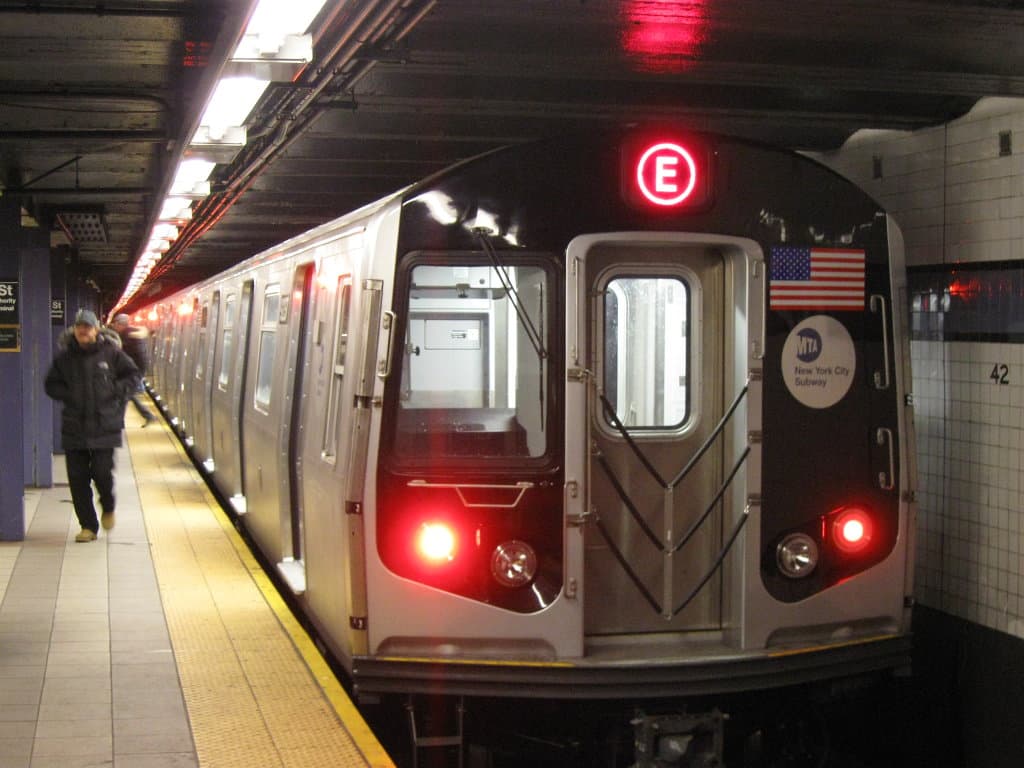
You might assume that digging tunnels deep underground would keep them naturally cool, but fill those spaces with trains, motors, and millions of commuters, and you get a sweltering oven. New York City’s subway system has long struggled with excessive heat, a problem that standard air conditioning simply cannot solve due to the open nature of the tunnels and platforms. Unlike traditional buildings, you can’t just install HVAC units and expect cold air to stay put; it just dissipates into the vast voids.
A Historic Struggle
The issue isn't unique to NYC. The London Underground faces similar challenges, with some sections nicknamed the "Central Heat Line." The root cause is simple: heat radiates from train motors, brakes, and even passengers. Air-conditioned trains only exacerbate the problem by pumping waste heat directly back into the tunnel environment. Compounding this is the age of the infrastructure; many systems were built over a century ago without modern cooling in mind.
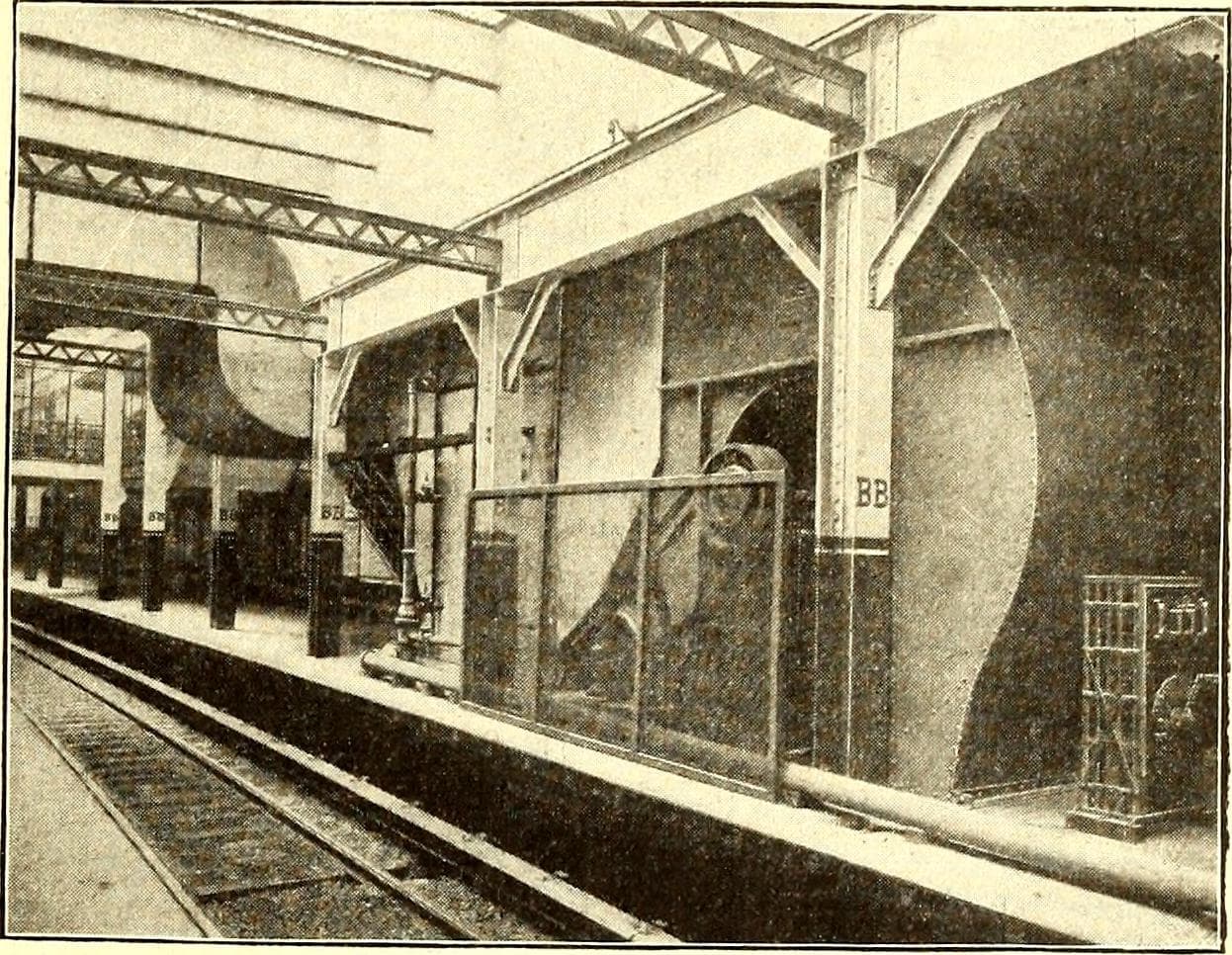 High temperatures have long been a problem at the Brooklyn Bridge station. Pictured is a system that was tested all the way back in 1906, which used groundwater to try and cool the station.
Enter the Thermal Energy Network (TEN)
Recognizing the crisis, city and state authorities have announced a new initiative to study the application of a Thermal Energy Network (TEN) at the Brooklyn Bridge 4/5/6 and Chambers Street J/Z station complex. This area is already notorious for its heat, regularly reaching 96°F (35°C) during summer months.
A TEN works by drilling grids of boreholes hundreds of feet into the ground, where temperatures remain stable and cool—often as low as 55°F (12°C). Pipes installed around the subway station circulate fluid that absorbs excess heat from the platform. This heated fluid is then sent down to the boreholes, where it releases its heat into the earth and is chilled before recirculating.
 The Chambers Street station has been long overdue for renewal. As part of pending upgrades, a thermal energy network (TEN) will be installed to try and bring down temperatures for commuters.
Beyond Just Cooling
This technology, proven in Europe and Canada, offers more than just relief from summer heat. Over time, the bedrock around the boreholes acts as a thermal battery. In winter, the stored heat can be extracted to warm other municipal buildings, creating a sustainable, year-round energy solution. While a geothermal system already exists in Coney Island for residential use, scaling this up for the massive NYC subway network is a significant engineering challenge. For now, this project serves as a critical pilot study. If successful, it could pave the way for a cooler, more comfortable commute across the entire city.





Comments
No comments yet
Be the first to share your thoughts and start the conversation!