New York courts tell lawyers they can use AI in filings without disclosing it, but must check every citation
A seven-page guide from the state court system's AI advisory committee says attorneys stay fully responsible for fabricated cases or quotes, whether a person or a chatbot wrote them.
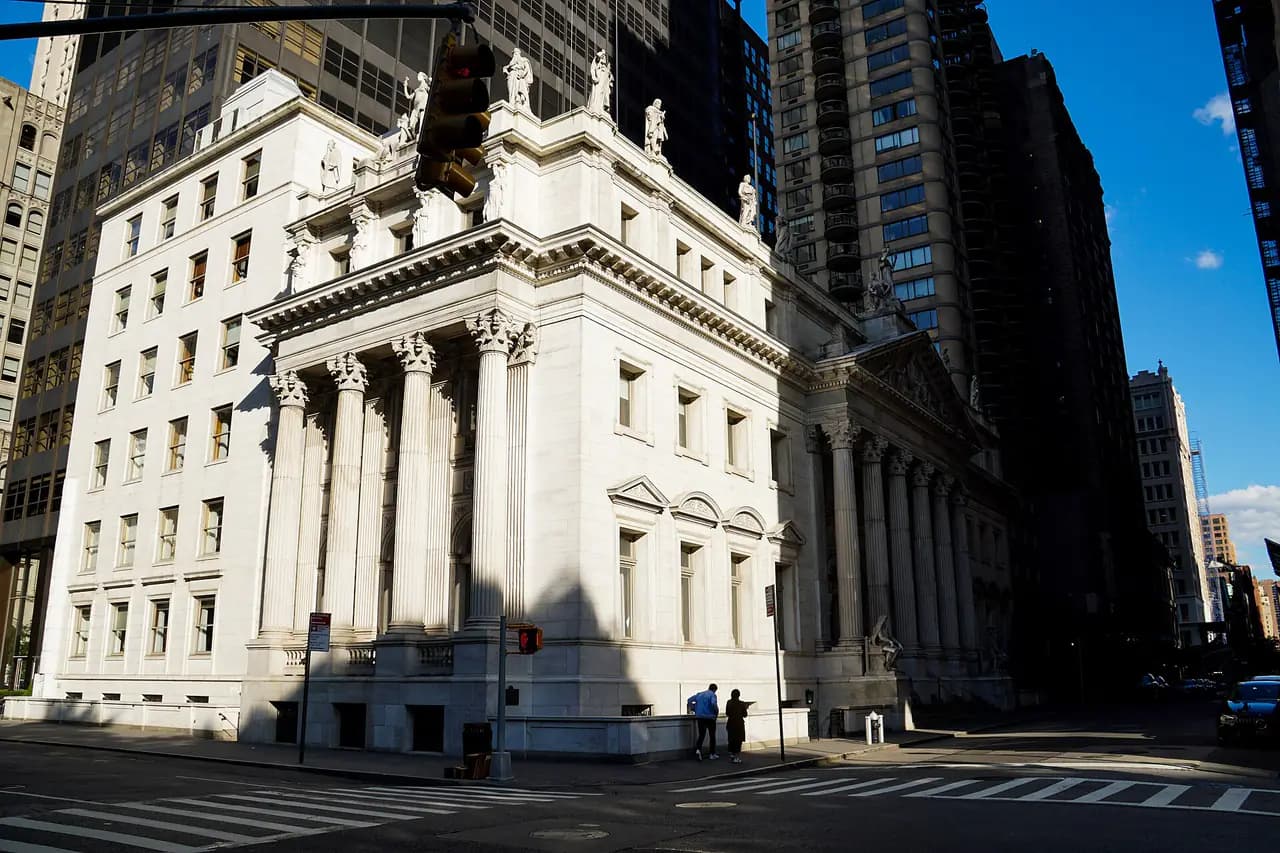
Photo: AnahitaR / Wikimedia Commons · CC BY-SA 4.0
- New York's Unified Court System released 'The Risks of Using Artificial Intelligence in Preparing Court Papers: What Every Attorney Should Know' on Monday.
- Lawyers may use generative AI and do not have to disclose it or file a separate certification; signing a filing already certifies it is accurate.
- The guide tells attorneys to confirm every AI-generated citation and quotation in authoritative legal research tools and to document how they checked.
- It builds on Part 161, a court rule adopted this year that says AI use in court papers should not be prohibited if lawyers follow their existing duties.
- A New York Law School dean told amNY the lack of a disclosure rule is 'concerning' and warned about AI misstating real cases.
Lawyers in New York's state courts can use generative AI to help write their court papers, and they do not have to tell the judge they did, according to new guidance from the state court system. The catch: they are just as responsible for any made-up case or misquoted ruling as if they had written it themselves, amNewYork and The Daily Record reported.
The seven-page guide, The Risks of Using Artificial Intelligence in Preparing Court Papers: What Every Attorney Should Know, was released Monday. It was written by the court system's Advisory Committee on Artificial Intelligence and the Courts, a panel of judges, lawyers, technologists and scholars appointed by Chief Administrative Judge Joseph A. Zayas, and approved by the Unified Court System's judicial leadership, according to The Daily Record.
What the guide says
- No disclosure required. Attorneys do not have to disclose AI use when they file or provide a separate certification beyond the one they make by signing the papers.
- Same duties as before. Using AI does not change a lawyer's obligations under the Rules of Professional Conduct or 22 NYCRR Part 130, the rule on sanctions for frivolous conduct in civil cases.
- Check everything. Lawyers should confirm every AI-generated citation and quotation with authoritative legal research tools, review the text for bias or inappropriate content, and document how they verified it.
- Know the tool. Generative AI predicts likely words rather than looking up verified facts, which is how it can produce fake cases or inaccurate quotes, the guide explains.
"The [AI] is designed to generate text that sounds right, not text that is right," the guidance states, according to amNY. Zayas said the document "reinforces the bedrock principle that attorneys remain fully accountable for the accuracy of the papers they submit to the courts."
Built on a rule adopted this year
The guide follows Part 161 of the court rules, which applies to all Unified Court System courts in civil and criminal cases. It says AI use by attorneys and parties in preparing court papers "should not be prohibited" as long as they follow the duties that already apply to anyone who submits papers to a court.
The committee is also preparing a series of continuing legal education programs called Artificial Intelligence, Bias, and Equity in Legal Practice, The Daily Record reported.
Not everyone thinks it goes far enough
Heidi Brown, an associate dean at New York Law School, told amNY that the lack of a disclosure requirement is "concerning," because an extra certification step could push less experienced lawyers to double-check their work. She said a bigger risk than invented cases may be "misgroundings," when an AI tool cites a real case or statute but gets wrong what it says. Judges in New York, including in the Southern District of New York, have already sanctioned attorneys over filings containing AI-invented citations, amNY reported.
- amNewYorkNYS court system tells attorneys they can use AI in legal filings without disclosing it but have 'obligation' to confirm accuracy
- The Daily RecordNY court officials release AI guide for lawyers
- New York State Unified Court SystemPart 161. Use of Artificial Intelligence Technology
Every story links to the reporting and records it’s based on. Our editors write each piece from public reporting and official data, and check it against those sources before it’s published.
Comments
0NSynced with CommunityIn CommunityYour comment is also posted to Community with this story attached, so neighbors can find it and reply there too.
No comments yet
Start the conversation — your comment shows up here and in Community for neighbors nearby.