Richmond Hill and Ozone Park added jobs and businesses for a decade, but lost 11% of residents, state report finds
Comptroller Thomas DiNapoli's snapshot of southeast Queens shows private-sector jobs up 14.3% and incomes above the city median, alongside a shrinking population and a small dip in jobs last year.
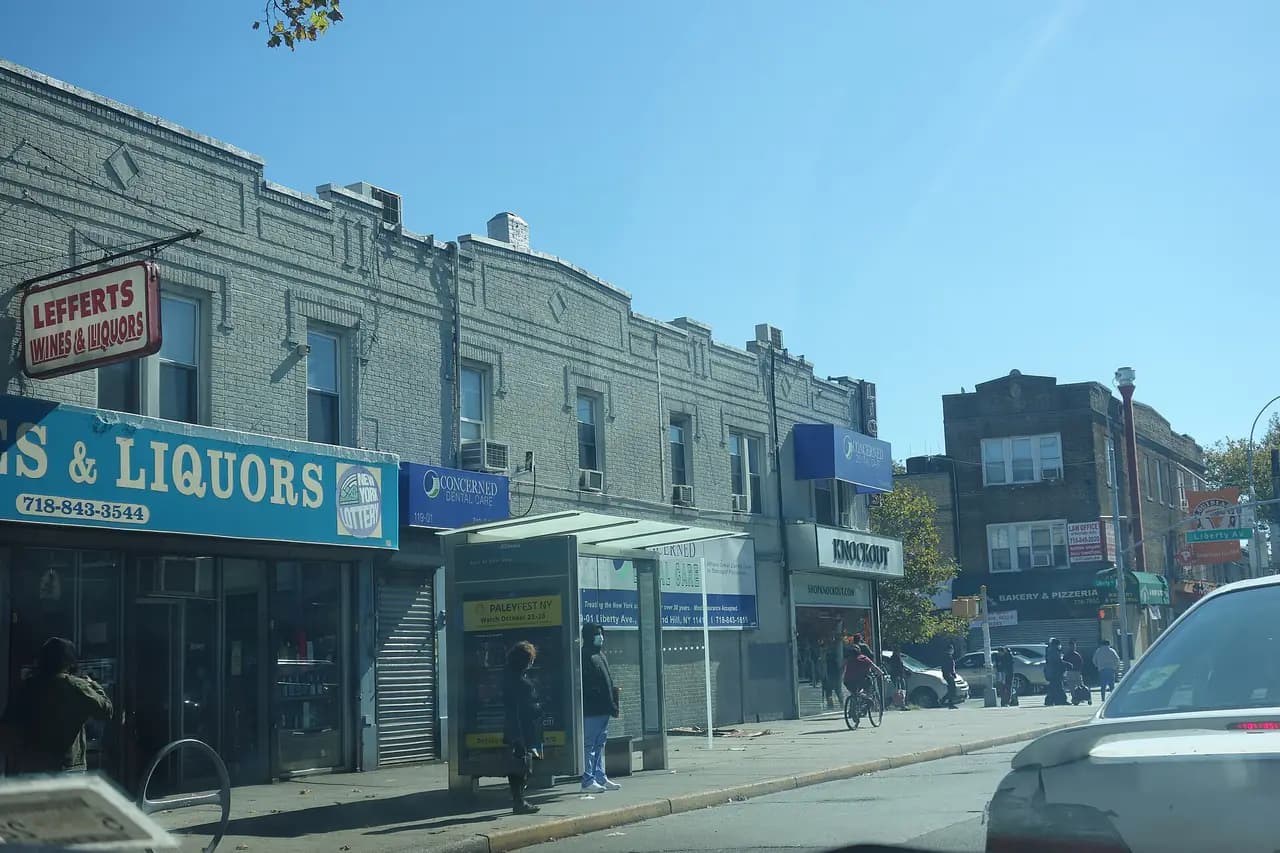
Photo: Tdorante10 / Wikimedia Commons · CC BY-SA 4.0
- Private-sector jobs in Richmond Hill/Woodhaven and South Ozone Park/Howard Beach grew 14.3% from 2014 to 2024, and the number of businesses rose 16.2%, ahead of the citywide 14.2%.
- Total private-sector wages in the area rose 57.1%, from $1.7 billion to $2.6 billion, and the 2024 median household income was $88,967, above the citywide $81,228.
- The area's population fell 10.9% over the decade to 254,860, compared with a 0.2% decline in Queens and citywide.
- Jobs slipped 1.8% to 44,349 and businesses 2.6% to 4,812 between 2024 and 2025.
- Poverty fell from 14.6% to 12.6% of households, and child poverty from 21.7% to 12.6%; 58.2% of homes are owner-occupied, versus 44.4% across Queens.
Southeast Queens has been quietly adding jobs and businesses, even as it loses residents, according to an economic snapshot of Richmond Hill and Ozone Park released Friday by State Comptroller Thomas DiNapoli. The report covers two community districts: Richmond Hill/Woodhaven (Queens CD 9) and South Ozone Park/Howard Beach (CD 10).
Jobs, wages and businesses
- Jobs: private-sector employment grew 14.3% from 2014 to 2024, topping 45,000, led by health care, then leisure and hospitality and transportation and warehousing, the comptroller's office said.
- Wages: total private-sector wages rose 57.1%, from $1.7 billion to $2.6 billion, and the average wage rose 37.5%.
- Businesses: the number of private firms grew 16.2%, outpacing the citywide 14.2%.
- Last year: between 2024 and 2025, jobs fell 1.8% to 44,349 and businesses fell 2.6% to 4,812, according to the full report.
Almost two-thirds of the area's jobs are in Richmond Hill/Woodhaven, while growth in Ozone Park, next to JFK Airport and Resorts World NYC, came mainly from leisure, hospitality and retail. About 19.2% of working residents are in health care and social assistance.
Who lives there
The two districts had 254,860 residents in 2024, about 11% of Queens, but the population fell 10.9% from 2014, far more than the 0.2% decline in Queens and citywide. Households with children fell more than citywide. Nearly half of residents, 47.6%, were born abroad, mainly in South America (including Guyana), Asia (including Bangladesh) and the Caribbean.
The 2024 median household income was $88,967, above the citywide median of $81,228. The share of households below the poverty line fell from 14.6% to 12.6%, and child poverty fell from 21.7% to 12.6%. Homeownership is high: 58.2% of homes are owner-occupied, compared with 44.4% across Queens, though a larger share of households spend 30% or more of income on housing than in the borough or city overall.
Challenges
The report flags public safety, youth unemployment, housing costs and flooding, especially in South Ozone Park and Howard Beach. Major felony crime fell in 2024 and was flat in 2025 but through mid-2026 remained above pre-pandemic levels by more than the citywide increase (49% versus 39%, by the report's measure).
Big projects nearby include the $19 billion JFK Airport redevelopment, the $739 million Kew Gardens Interchange overhaul and the casino expansion at Resorts World NYC, which QNS put at $5.5 billion. "There is much to be excited about in our Southeast Queens communities," DiNapoli said, adding that crime and climate change "require continued attention." Queens Borough President Donovan Richards said in a statement that housing costs "continue to persist and threaten to fracture neighborhoods like these," QNS reported.
- Office of the New York State ComptrollerDiNapoli: Economic Report Shows Signs of Strength in Richmond Hill and Ozone Park Area of Southeast Queens
- Office of the New York State ComptrollerRichmond Hill and Ozone Park: An Economic Snapshot (October 2026)
- QNSSoutheast Queens neighborhoods experienced significant job and business growth over decade-long period: Report
Every story links to the reporting and records it’s based on. Our editors write each piece from public reporting and official data, and check it against those sources before it’s published.
Comments
0NSynced with CommunityIn CommunityYour comment is also posted to Community with this story attached, so neighbors can find it and reply there too.
No comments yet
Start the conversation — your comment shows up here and in Community for neighbors nearby.