
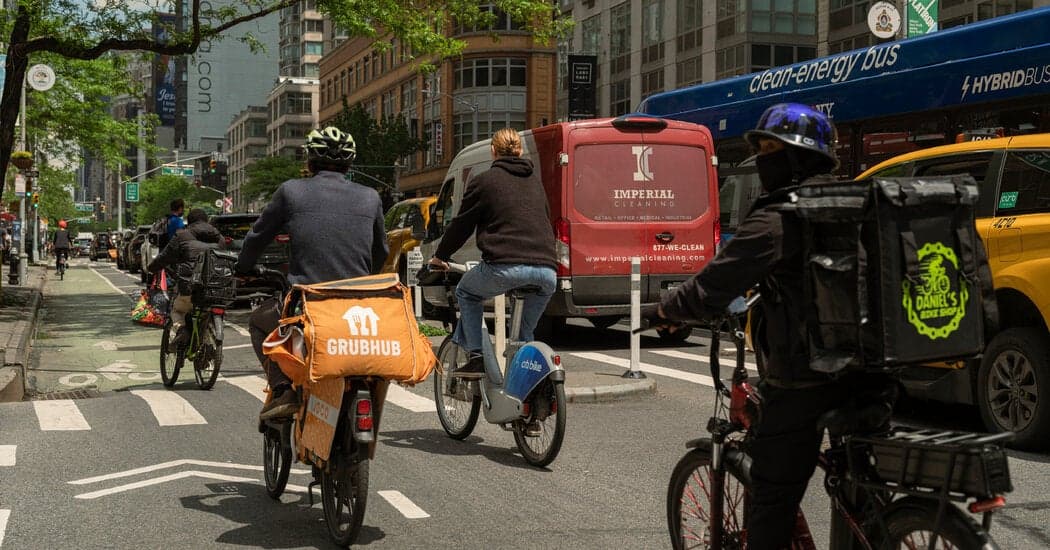
In a packed hearing that underscored the urgency of urban safety, New York City lawmakers convened on Wednesday to debate a historic slate of 23 proposals aimed at regulating electric bikes and scooters. This surge in legislative activity follows a tragic series of fatal crashes involving e-bikes, prompting intense scrutiny from officials, street-safety advocates, and the cycling community.
A Record Number of Bills
According to the City Council, this is the largest number of bills ever introduced for a single topic. The proposals are designed to curb the spread of devices capable of far exceeding legal speed limits while attempting to protect the rights of cyclists who are increasingly victims of serious collisions. Key measures under discussion include:
- Banning Class 3 E-Bikes: A plan to prohibit the sale of "class 3" e-bikes, which can travel significantly faster than the city’s 15-mile-per-hour limit, with the long-term goal of making them illegal to ride.
- Regulating Delivery Workers: Mandating that food-delivery companies obtain licenses, carry liability insurance, and closely monitor their workers.
- Ride-Share Accountability: Requiring users of services like Citi Bike to confirm they have reviewed road rules.
- Infrastructure Changes: Implementing new speed-reducing features in bike lanes.
- Trade-In Programs: Creating free or low-cost programs for cyclists to trade in dangerously fast bikes and scooters.
Controversy Over Enforcement and Registration
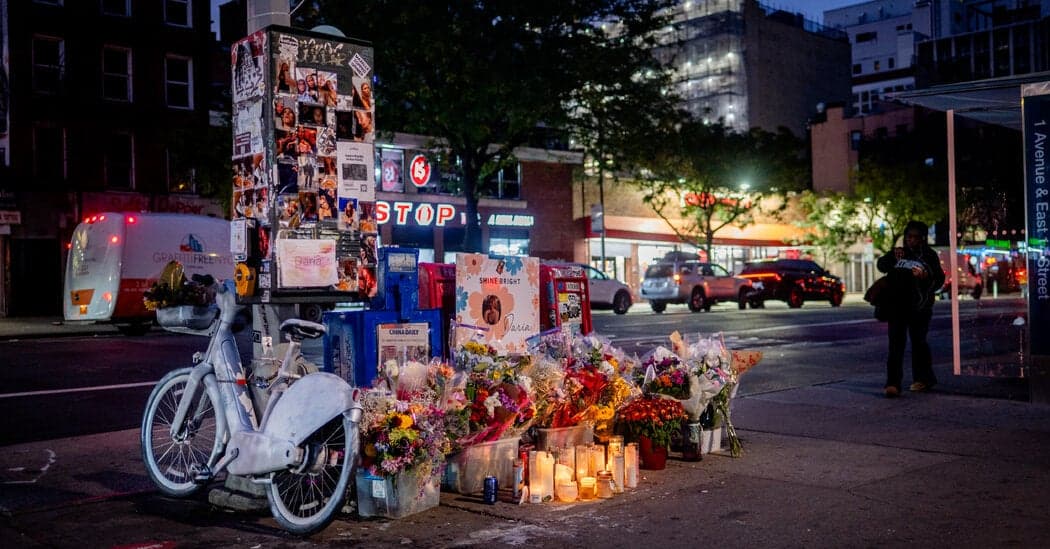
Despite the volume of legislation, many street-safety advocates argue the proposals fall short. Critics point to the lack of support for Priscilla’s Law, a state bill named after educator Priscilla Loke, who was killed in 2023 by an e-Citi Bike rider. This law would require all e-bikes and scooters in New York to be registered and display license plates.
Janet Schroeder, director of the NYC E-Vehicle Safety Alliance, criticized the current package as mostly “fluff” without a registry to track violators. “None of those 23 bills calls for personal accountability for the rider,” Schroeder stated.
City Council Speaker Julie Menin acknowledged the importance of registration but noted that such powers lie with state legislators. Governor Kathy Hochul’s office declined to explicitly endorse Priscilla’s Law but promised to review any passed bills.
Age Verification and Privacy Concerns
Speaker Menin also announced efforts to require Citi Bike to implement an age-verification system to ensure riders are at least 16 years old. This move comes after a 15-year-old girl was struck and killed by a truck driver while riding a Citi Bike in September. While facial recognition software was previously paused due to privacy concerns, Menin indicated other identification methods could be utilized.
Diverging Views on Cyclist Safety
The debate highlighted a split in priorities. While some groups demand stricter enforcement against dangerous riders, others fear these rules will disproportionately impact delivery workers, a largely immigrant workforce, by increasing police interactions. Furthermore, cycling advocates emphasize that most fatal crashes involve cars and trucks, arguing that the focus should remain on protecting vulnerable riders rather than just restricting their mobility.
The fate of most of these bills will likely be determined early next year.





Comments
No comments yet
Be the first to share your thoughts and start the conversation!