Step inside the 1969 Stonewall Inn: new free 3D model rebuilds the bar as it looked before the uprising
Built from archival floor plans, oral histories and photos, the online model lets anyone walk through the Mafia-run bar at 51 and 53 Christopher St. and see the streets where the 1969 uprising unfolded.
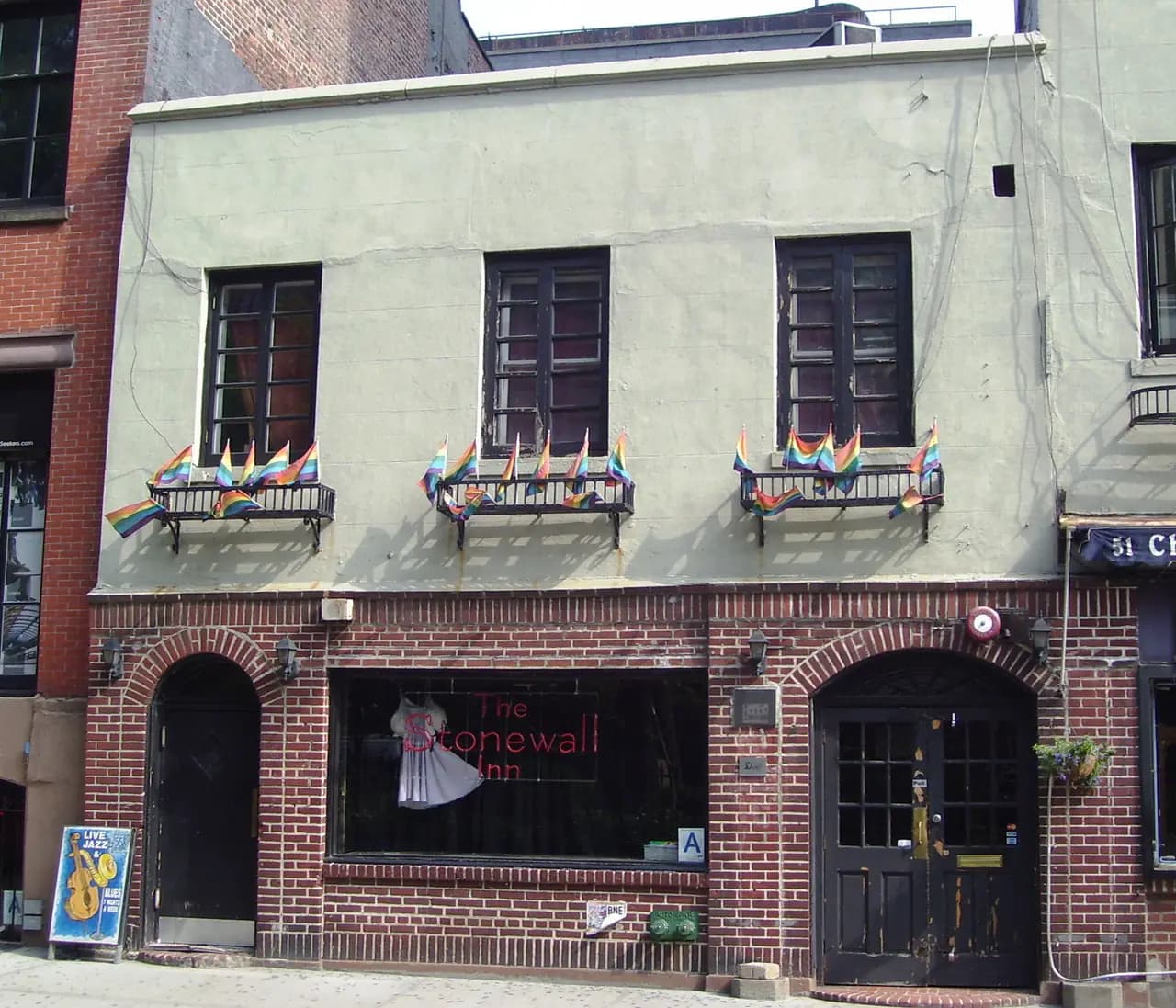
Photo: Beyond My Ken / Wikimedia Commons · CC BY-SA 4.0
- The NYC LGBTQ Historic Sites Project and Making Gay History launched a free digital 3D model of the Stonewall Inn as it looked in 1969.
- The model is based on archival floor plans, oral histories and photographs and was built with ArcGIS; it covers the facade, the interior and the surrounding streets.
- It shows how the Mafia controlled access through a series of entry points, with a long bar, a jukebox and a large dance floor; almost none of that interior survives.
- The original bar spanned 51 and 53 Christopher St., which today house the Stonewall National Monument Visitor Center and the Stonewall bar.
- Organizers say the project matters more after federal changes to the monument's interpretive materials, which they say have not been fully corrected.
Almost nothing of the original Stonewall Inn's interior survives, but you can now walk through it online. The NYC LGBTQ Historic Sites Project and the nonprofit Making Gay History have launched a free digital 3D model of the Greenwich Village bar as it looked in 1969, just before the uprising that became a turning point in the fight for LGBTQ rights, the project announced.
What you can see
The model was built with ArcGIS from archival floor plans, oral histories and photographs, and recreates the original facade, the interior and the surrounding streetscape at 51 and 53 Christopher St. Today those storefronts hold the Stonewall National Monument Visitor Center and the Stonewall bar, respectively.
Visitors can enter from the street, move through the main passageway, approach the long bar where watered-down drinks were served, stop at a jukebox loaded with hits of the day and cross into the large dance floor, according to the announcement. The layout shows how the Mafia, which ran the bar, controlled who got in, with a series of entry points that kept the rooms hidden from the street.
The layout is very different from today's bar. Gay City News notes that the 1969 version was split into two areas separated by a wall, with the larger main bar on the right side of the ground floor, while today's bar is one open room with a long bar on the left. The model also shows a large exterior sign that described the Stonewall Inn as a restaurant.
Views include the street outside and Christopher Park across the street, where crowds gathered on several nights of the uprising, and the model marks where the bar sits within the boundaries of the Stonewall National Monument.
Why now
Ken Lustbader, co-director of the Historic Sites Project, called it the most in-depth resource ever created to show what the bar looked and felt like in 1969. Eric Marcus, Making Gay History's executive director, said it is accessible to anyone with a phone or computer and complements the elders' accounts in the group's podcast.
The groups tied the launch to the federal government's changes at the monument, including the removal of the Pride flag and of references to transgender people's role in the uprising. The flag has been restored after litigation, but the groups say altered online materials still have not been corrected. Earlier this year the National Trust for Historic Preservation put the monument on its 2026 list of America's Most Endangered Historic Places, according to the announcement.
The Stonewall Inn became an individual city landmark in 2015, and the Stonewall National Monument, the first U.S. national monument dedicated to LGBTQ history, was established in 2016.
- NYC LGBTQ Historic Sites ProjectFirst-Ever Digital 3D Model of the Historic Stonewall Inn Launches
- Gay City NewsHistoric preservationists create virtual 3D model of the Stonewall Inn as it appeared in 1969
- NYC LGBTQ Historic Sites Project / Making Gay HistoryStonewall Inn 1969: 3D model (ArcGIS)
Every story links to the reporting and records it’s based on. Our editors write each piece from public reporting and official data, and check it against those sources before it’s published.
Comments
0NSynced with CommunityIn CommunityYour comment is also posted to Community with this story attached, so neighbors can find it and reply there too.
No comments yet
Start the conversation — your comment shows up here and in Community for neighbors nearby.