MTA asks incoming Democratic Congress to protect $265M in transit funds and cut rolling-stock tariffs
A Nov. 5 policy brief warns that a surface-bill extension without advance appropriations would cut FY2027 formula funding by more than 10%, and that tariffs could add about $1 billion to new train and bus costs.
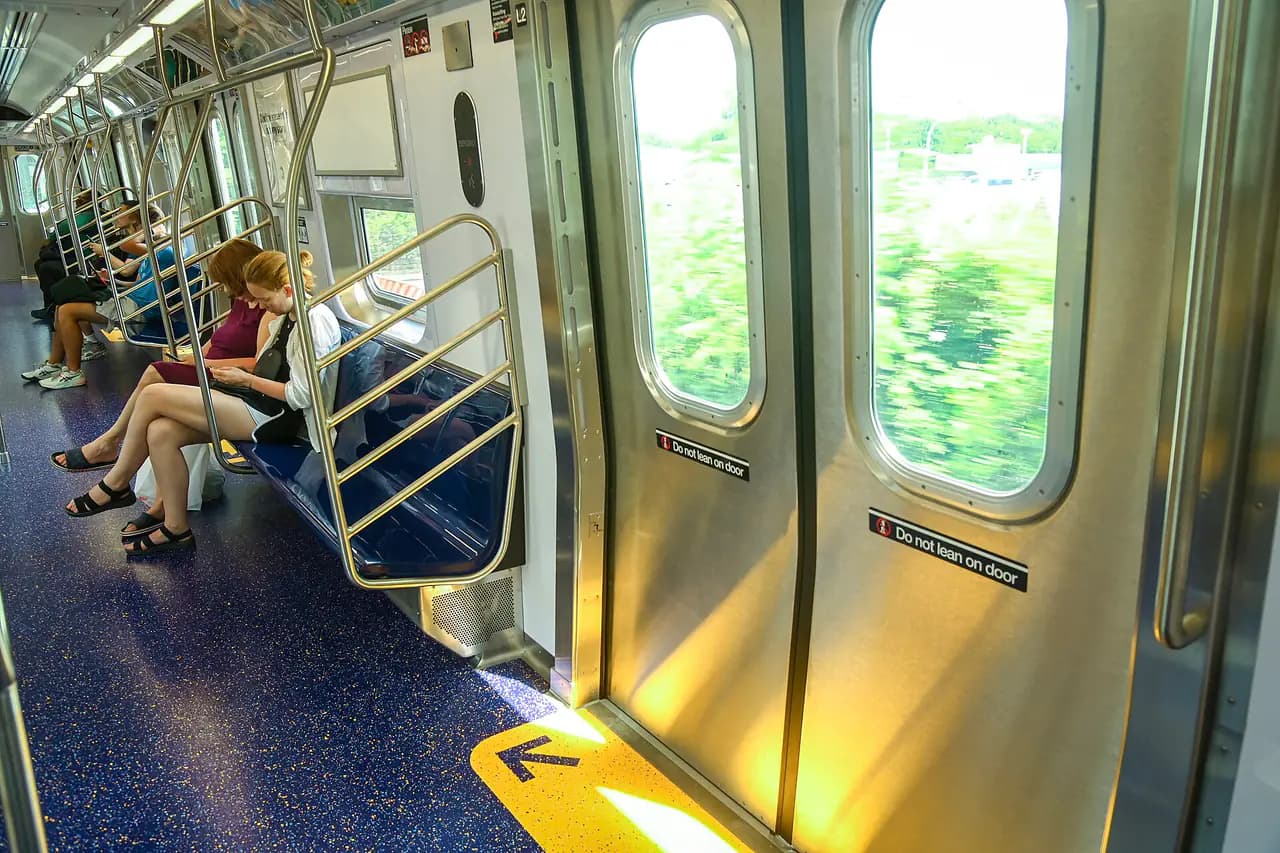
Photo: Marc A. Hermann / Metropolitan Transportation Authority · CC BY 4.0
- The MTA’s Nov. 5 policy brief says a surface transportation extension without advance appropriations would cut its Fiscal Year 2027 formula funding by $265 million — more than 10% — according to the agency and amNewYork.
- Current IIJA stopgap funding expires Dec. 11, 2026; the September extension left out advance appropriations, the MTA said.
- The agency carries 43% of U.S. transit trips but receives about 17% of federal transit formula funding, the brief states.
- The MTA estimates high and unpredictable tariffs on specialized components could add about $1 billion to its $23 billion Buy America–compliant rolling-stock program, and wants Congress to exempt those parts.
- Chair and CEO Janno Lieber told WNYC he is hopeful a Democratic Congress led by New Yorkers Chuck Schumer and Hakeem Jeffries can improve the MTA’s federal share, amNewYork reported.
The Metropolitan Transportation Authority is pressing the incoming Democratic Congress to lock in federal formula money before a Dec. 11 deadline and to shield its next generation of trains and buses from import tariffs.
The $265 million warning
In a Nov. 5 policy brief, the MTA said Congress should pass another extension of the surface transportation reauthorization that includes advance appropriations — extra multi-year formula funds added under the Biden-era Infrastructure Investment and Jobs Act.
A short-term IIJA extension enacted in September runs out on Dec. 11, 2026 and left those advance appropriations out, the agency wrote. An extension without them would cut the MTA’s Fiscal Year 2027 formula funding by $265 million, more than 10% of what Congress authorizes, according to the brief and reporting by amNewYork and Streetsblog NYC.
“Cutting 10 percent of our annual federal formula funding would have a dramatic impact for riders across the network,” the memo says.
Share of national transit funding
The MTA says it carries 43% of U.S. transit trips but receives only about 17% of available federal transit formula funding. After the new Congress is sworn in on Jan. 3, 2027, the agency wants a full five-year bill that at least preserves its formula share and prioritizes formula grants over slow discretionary competitions.
Tariffs on rolling stock
Separately, the MTA is planning about $23 billion in new subway cars, buses and commuter rail cars that meet Buy America rules (more than 70% U.S. content). It still must import some specialized parts that are not made domestically. The brief estimates “high and unpredictable” tariff rates would force about $1 billion in direct tariff costs on those replacement programs, and asks Congress to exempt Buy America–compliant rolling-stock components.
Security grants and New York leadership
The agency also wants Congress to reverse long cuts to the Transit Security Grant Program and to block federal rules that steer infrastructure money away from high-ridership cities, Streetsblog summarized from the brief.
Chair and CEO Janno Lieber told WNYC’s On the Way that a Democratic Congress led by Brooklynites Chuck Schumer and Hakeem Jeffries leaves the MTA “hopeful that we can do much, much better” than the historical short-changing of New York transit, amNewYork reported.
- MTAThe Policy Brief: the MTA's emerging federal priorities
- amNewYorkMTA wants incoming Democratic Congressional majorities to boost transit funding, insulate it from Trump tariffs
- Streetsblog NYCFriday's Headlines: MTA Tin Cup Edition
Every story links to the reporting and records it’s based on. Our editors write each piece from public reporting and official data, and check it against those sources before it’s published.
Comments
0NSynced with CommunityIn CommunityYour comment is also posted to Community with this story attached, so neighbors can find it and reply there too.
No comments yet
Start the conversation — your comment shows up here and in Community for neighbors nearby.