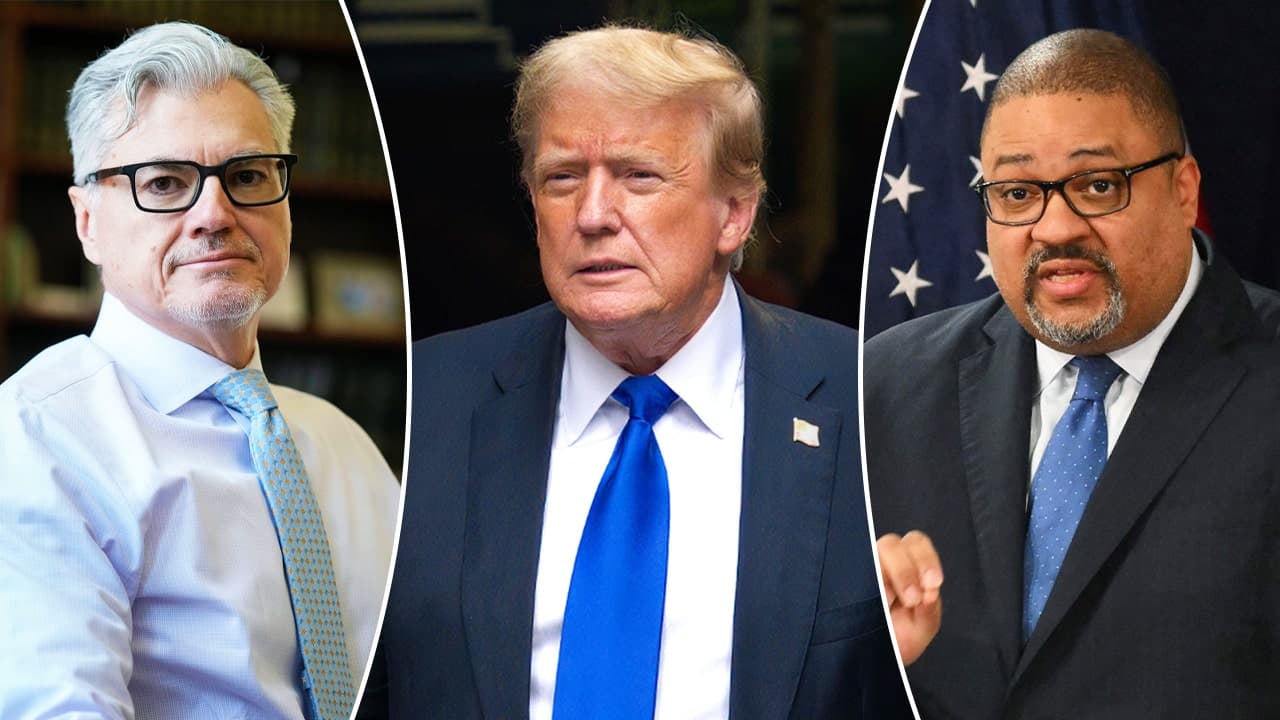
Trump's Sentencing: A Controversial Conclusion
President-elect Trump was sentenced on January 10th after a New York jury found him guilty on all 34 counts of falsifying business records. The sentencing, however, concluded without any prison time.
Judge Juan Merchan handed down an "unconditional discharge," meaning no punishment was imposed. This decision came after Trump's attempts to block the sentencing process, which included appeals to the New York State Court of Appeals and an emergency petition to the U.S. Supreme Court, both of which were rejected.
<img src="https://a57.foxnews.com/static.foxnews.com/foxnews.com/content/uploads/2024/06/1200/675/Juan-Merchan-Donald-Trump-Alvin-Bragg.jpg?ve=1&tl=1" alt="Judge Juan Merchan, Donald Trump, Alvin Bragg">Trump's legal team argued that the prosecution erroneously used evidence related to official presidential acts, violating the Supreme Court's ruling on presidential immunity. However, prosecutors countered that the court lacked jurisdiction and that the evidence pertained to "unofficial conduct."
<img src="https://a57.foxnews.com/static.foxnews.com/foxnews.com/content/uploads/2025/01/1200/675/trump-senate-meeting.jpg?ve=1&tl=1" alt="Trump with other senators">The case sparked significant controversy, with Trump maintaining his innocence and framing it as "lawfare" aimed at damaging his election campaign. The outcome leaves a lasting mark on the legal and political landscape.
- #trump
- #sentencing
- #politics
- #lawfare
- #immunity
Comments · 0