New York City's Hottest Bus Stops: Are They a Public Health Crisis?
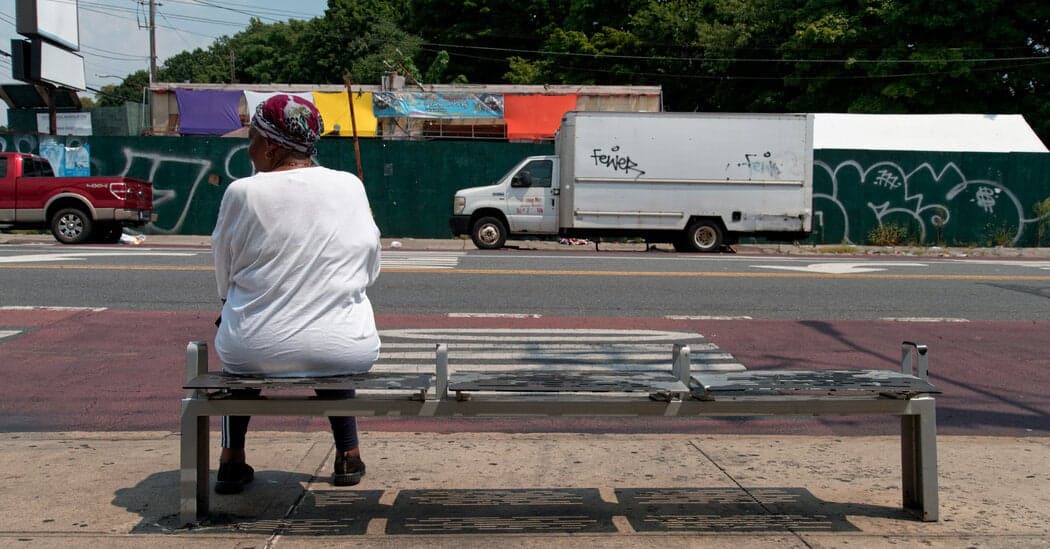
New York City's Bus Stops: A Sweaty, Frustrating Experience
Commuting by bus in New York City can be a real test of patience, especially during the summer months. Long waits, slow rides, and unbearable heat make the journey even more difficult. A recent study by Transportation Alternatives, a transit advocacy group, found that the absence of bus shelters and shade trees leads to significantly higher temperatures at some bus stops, particularly in Queens and the Bronx.

The report revealed that out of over 15,000 bus stops in NYC, only one in five have shelters, and just one in three are near shade trees. The hottest stops, often located in lower-income communities with a high concentration of people of color, are 14.5 degrees warmer on average than the coolest stops.
The Heat's Disproportionate Impact
The study found that the lack of shade and shelters disproportionately impacts communities of color and those with lower incomes. People living near the hottest bus stops are more likely to be Latino, Black, and live below the poverty line.
Solutions Needed: Making the Wait More Pleasant and Service Quicker
The city's Department of Transportation (DOT) is working to install more bus shelters, but the process is slow, and there are certain restrictions on where they can be placed. The Parks Department has also avoided planting trees near bus stops due to safety concerns.
Transportation Alternatives advocates for a two-pronged approach:
- Make the wait more pleasant: Install shelters with seating and countdown clocks at all high-priority bus stops by 2025.
- Make service quicker: Keep rush-hour service all day for priority routes on days of extreme heat.
The group also recommends reclaiming parking spaces to create more room for shelters and trees.
Amsterdam's Traffic Light Experiment: A Lesson in Collaboration
While New York City struggles with its bus stops, Amsterdam is exploring an alternative approach to traffic management. The city has removed traffic lights at certain intersections, allowing drivers, cyclists, and pedestrians to communicate and navigate safely without signals. This experiment has shown that people can collaborate and move more efficiently without reliance on traffic lights.

Amsterdam's experiment provides a valuable lesson: Sometimes, removing barriers can lead to smoother and more efficient movement.
- #nyc
- #busstops
- #heat
- #transportation
- #publichealth
Comments · 0