Boston's Homelessness Crisis: Second Only to NYC, Driven by Housing Costs
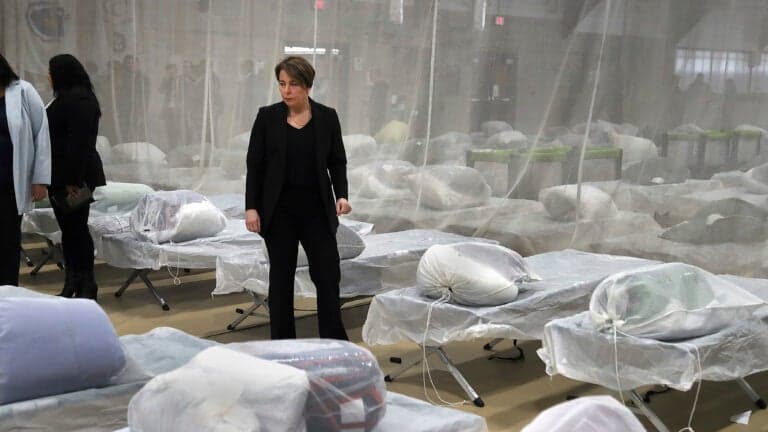
Boston's Homelessness Crisis: A Look at the Numbers
Boston is facing a severe homelessness crisis, ranking second only to New York City in the nation for per capita homelessness. A new report from the Boston Foundation reveals that the high cost of housing is the primary driver of this alarming trend.
The report highlights:
- Greater Boston has the second-highest per capita homelessness rate among the 45 largest cities in the US.
- Boston's homelessness rate is 801 per 100,000 residents, trailing only New York City's rate of 1,056 per 100,000 residents.
- While the number of homeless individuals in Boston has increased significantly, the number of unsheltered people remains relatively low, with only 6 percent of the homeless population living on the streets. This is attributed to the city's robust shelter system and support services, including the state's unique 'Right to Shelter' law guaranteeing emergency shelter for families with children and pregnant women.
The Root of the Problem: Housing Shortage
The report points to a chronic lack of affordable housing as the main factor driving homelessness in Boston. The city's housing market is characterized by sky-high rents and home prices, leaving many families struggling to find stable and affordable living arrangements.
Key factors contributing to the housing shortage:
- Insufficient housing construction to meet the needs of a growing population.
- Limited low-cost housing options.
Impact on Vulnerable Populations
The housing shortage disproportionately affects vulnerable populations including individuals with medical issues, mental illness, substance use disorders, or a history of incarceration. The report also highlights the influx of recent immigrant families who often face delays in obtaining work permits, further straining the shelter system.
State Policies and the Outlook
The state of Massachusetts has taken steps to address the growing demand for shelter, including the use of hotel rooms and facilities staffed by the National Guard. However, these measures are considered temporary solutions and are not sustainable long-term.
Recent state policies include:
- Capping emergency shelter capacity to 7,500 families.
- Implementing a 9-month limit for families in emergency shelters.
- Limiting stays in overflow shelters to five days.
The report stresses that long-term solutions to homelessness require a focus on structural changes, particularly the construction of more diverse and lower-cost housing options to ensure families of all income levels have access to decent living conditions.
[Image: A photograph of a shelter in Boston, with a caption about the challenges of providing shelter to an increasing number of families.]
- #homelessness
- #housing
- #boston
- #massachusetts
- #crisis
Comments · 0