
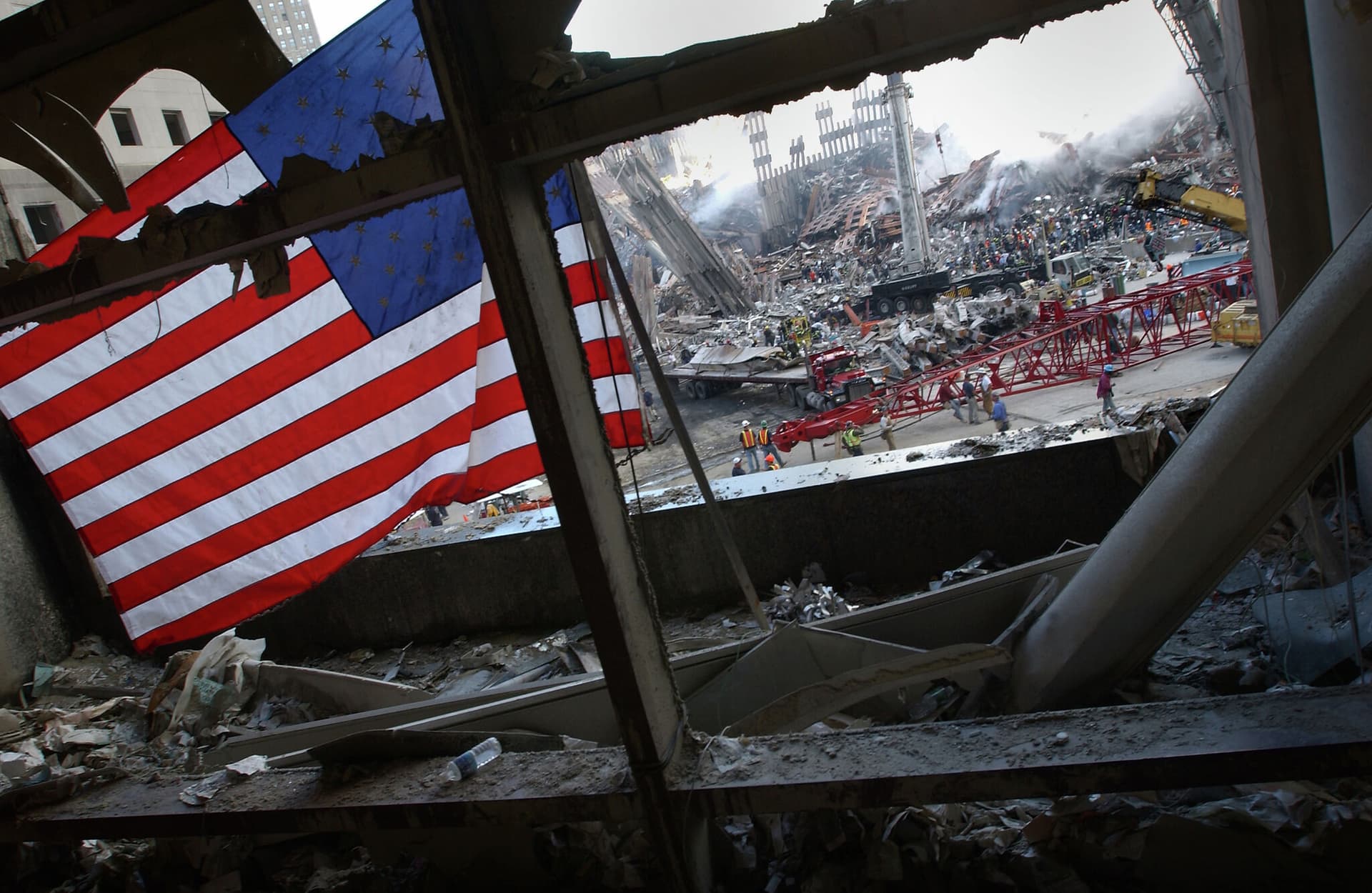
Twenty-five years have passed since the terrorist attacks on September 11, 2001, fundamentally altering the trajectory of American history. As we mark this quarter-century milestone, it is crucial to evaluate whether the profound changes implemented in the name of security are truly the ones we desire.
The Endless War and Its Toll
The most visible consequence of 9/11 is that the United States remains a nation at war. The initial conflict in Afghanistan, launched to dismantle Al Qaida and remove the Taliban from power, ended with the Taliban back in control. This was followed by a sprawling "war on terror" that included:
- An eight-year war in Iraq, based on disproven claims about weapons of mass destruction.
- Efforts to contain the Islamic State under President Obama.
- Ongoing tensions and military posturing in Iran under President Trump.
The human and financial costs have been staggering. Since 2001:
- At least 5,489 U.S. servicemembers have been killed in action.
- 7,445 service members died by suicide, a number that rose significantly as conflicts expanded.
- Defense spending has skyrocketed from $415.4 billion pre-9/11 to over $1 trillion today.
- The national debt has surged from $5.8 trillion to more than $40 trillion, with interest payments now rivaling the entire defense budget.
Surveillance and Civil Liberties
Beyond the battlefield, 9/11 ushered in an era of heightened surveillance and government expansion. Key developments include:
- The creation of the Department of Homeland Security, unifying federal law enforcement and intelligence.
- Secret terror courts enabling spying on Americans.
- Pervasive security measures in airports, public venues, and private buildings, including metal detectors and proliferating surveillance cameras.
This shift has normalized a level of monitoring many citizens now tolerate for the sake of safety.
Rising Xenophobia and Social Division
The attacks also intensified xenophobia, particularly anti-Muslim rhetoric that moved from fringe media into mainstream political discourse. Despite warnings from lawmakers about Sharia law or cultural conquest by immigrants, these fears often lack rational basis.
In the immediate aftermath, Senator Daniel Patrick Moynihan urged Americans not to succumb to paranoia or isolation. He highlighted the strength of America’s multi-ethnic society and the role of its vibrant Islamic community in bridging cultures. He quoted then-Defense Secretary Donald Rumsfeld’s advice: “Do not allow terrorism to alter our own way of life.”
A Choice for the Future
We cannot undo the failures to heed such wisdom, nor can we bring back the nearly 3,000 victims of 9/11 or the thousands who have died in subsequent wars and from related environmental ailments. However, we retain the agency to choose our path forward. Will we remain trapped in cycles of war and resentment, or will we work to heal old wounds and cultivate new friendships? While nothing will ever be the same, we have the freedom to decide how we respond to this enduring national trauma.






Comments
No comments yet
Be the first to share your thoughts and start the conversation!