Five charter questions on NYC's November ballot: outdoor dining, bike lanes, permits and the rainy day fund
Mayor Mamdani's Commission on Government Efficiency put five proposals on the back of the ballot. Here is what a yes or no vote does on each, and who is for and against them, before early voting starts Saturday.
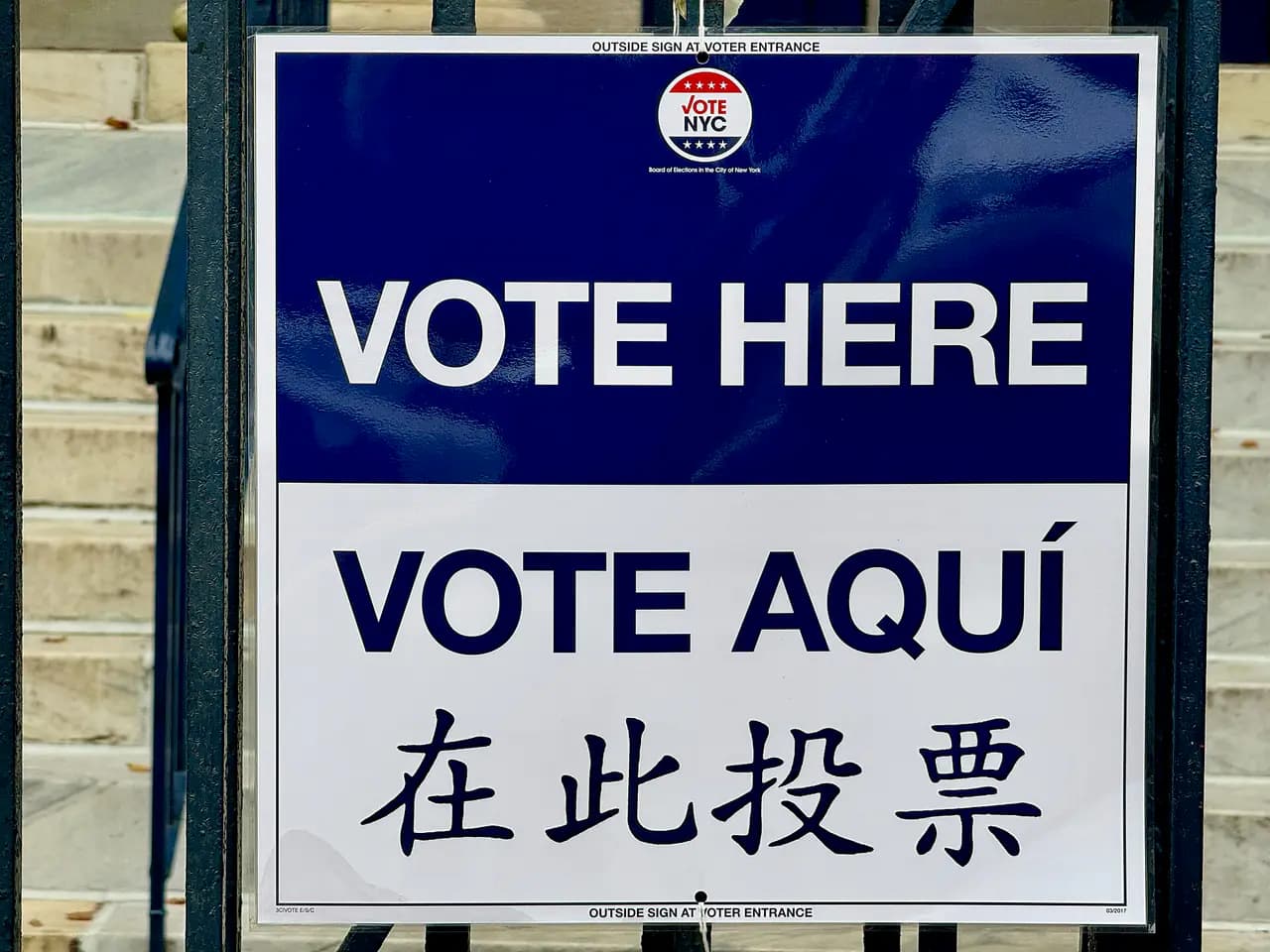
Photo: Oleg Yunakov / Wikimedia Commons · CC BY-SA 4.0
- Five citywide charter amendments from the Commission on Government Efficiency (COGE) are on the Nov. 3 ballot; early voting runs Oct. 24 to Nov. 1.
- Question 1 merges sidewalk cafe and roadway dining applications and drops the Council's veto over sidewalk cafes; the city says it would cut an eight-month process to about two months and save restaurants up to $1,800.
- Question 3 bundles faster street-safety and bike/bus lane approvals with fast-tracked sales of unused city property and office leases, which drew objections from Reinvent Albany.
- Question 4 creates a single permitting hub for about 40 construction permits from 18 offices; Question 2 simplifies the contractor questionnaire.
- Question 5 sets a 12% reserve target for the rainy day fund; the Citizens Budget Commission says that is too low and gives the mayor too much leeway.
Flip your ballot over this year. Besides the races for governor, Congress and other offices, New York City voters will decide five proposed amendments to the City Charter, the city's governing document. Early voting starts Saturday, Oct. 24, and runs through Nov. 1; Election Day is Tuesday, Nov. 3. You can find your poll site at findmypollsite.vote.nyc.
The questions come from the Commission on Government Efficiency, or COGE, the charter revision commission Mayor Zohran Mamdani created after disbanding the commission his predecessor, Eric Adams, set up on his last day in office, Gothamist reported. COGE held 10 public hearings across the five boroughs before releasing its final proposals in July, the Mayor's Office said. The official ballot text, in every language the city provides, is on the Board of Elections website.
Question 1: Public space and outdoor dining
Yes combines the sidewalk cafe and roadway dining applications into one process, modernizes public-notice rules and removes mandatory hearings and the City Council's power to disapprove sidewalk cafes, while keeping community and Council input. No keeps the current process.
The city says it now takes up to eight months to get an outdoor dining permit; the commission says the change would cut that to about two months and save a restaurant up to $1,800 in fees. City data show the number of businesses with outdoor dining has fallen about 90% from pandemic highs, Gothamist reported. Restaurants and the Regional Plan Association support the measure.
Question 2: City contracts
Yes lets the Procurement Policy Board simplify the long questionnaire every city contractor fills out, requires the board to meet quarterly, replaces a required public hearing with a written comment period and lets the mayor delegate some contract approvals. No leaves the rules as they are. The city paid outside contractors $42.3 billion last fiscal year, about 40% of its budget, and nonprofits have long complained about late contracts and payments, according to Gothamist.
Question 3: Street projects, city property and office leases
Yes reduces the number of agencies that must sign off on street-safety projects, including bike and bus lanes, fast-tracks the sale or lease of unused city property with City Planning Commission approval, and speeds up leasing offices for city workers. No keeps the current reviews, including Council approval of property dispositions.
The commission estimates bike and bus lanes would be built about 33% faster. Transportation Alternatives backs it. The NYC E-Vehicle Safety Alliance opposes it, saying it cuts community input, and Reinvent Albany objected to bundling unrelated issues into one question, Gothamist reported.
Question 4: Building permits
Yes creates a central digital hub for about 40 construction permits now issued by 18 offices and agencies, moves waterfront permitting from the Department of Small Business Services to the Department of Buildings and lets more DOB officials approve construction. No keeps the current system.
Question 5: The rainy day fund
Yes sets a target of holding reserves equal to 12% of tax revenue, requires the mayor to develop a formula for deposits, reviewed at least every four years and subject to budget approval, and sets rules for large withdrawals in a "compelling fiscal need" such as a recession. No leaves the fund, now about $2 billion, without a target.
The Citizens Budget Commission says the 12% target is too low, closer to 16% would be prudent, and that the language gives the mayor too much room to decide what counts as a fiscal need, Gothamist reported.
How to vote
- Early voting: Oct. 24 to Nov. 1. Your early voting site may differ from your Election Day site.
- Election Day: Nov. 3, 6 a.m. to 9 p.m.
- Questions: the Board of Elections hotline is 1-866-VOTE-NYC (1-866-868-3692).
More dates, races and what to bring are in our 2026 election guide.
- GothamistBallot questions ask NYC voters whether to cut red tape on outdoor dining, bike lanes
- NYC Mayor's OfficeCOGE Releases 5 Ballot Proposals and Final Report to Make Government Work Better for New Yorkers
- NYC Board of ElectionsBallot Proposals
Every story links to the reporting and records it’s based on. Our editors write each piece from public reporting and official data, and check it against those sources before it’s published.
Comments
0NSynced with CommunityIn CommunityYour comment is also posted to Community with this story attached, so neighbors can find it and reply there too.
No comments yet
Start the conversation — your comment shows up here and in Community for neighbors nearby.