Stuck in a chatbot loop? NYC proposes rule requiring companies to offer a way to reach a human
A proposed Department of Consumer and Worker Protection rule would make businesses disclose when you're talking to an automated system and treat endless menus and useless bot answers as deceptive unless there is a real way out. Public comments are open until a Nov. 19 hearing.
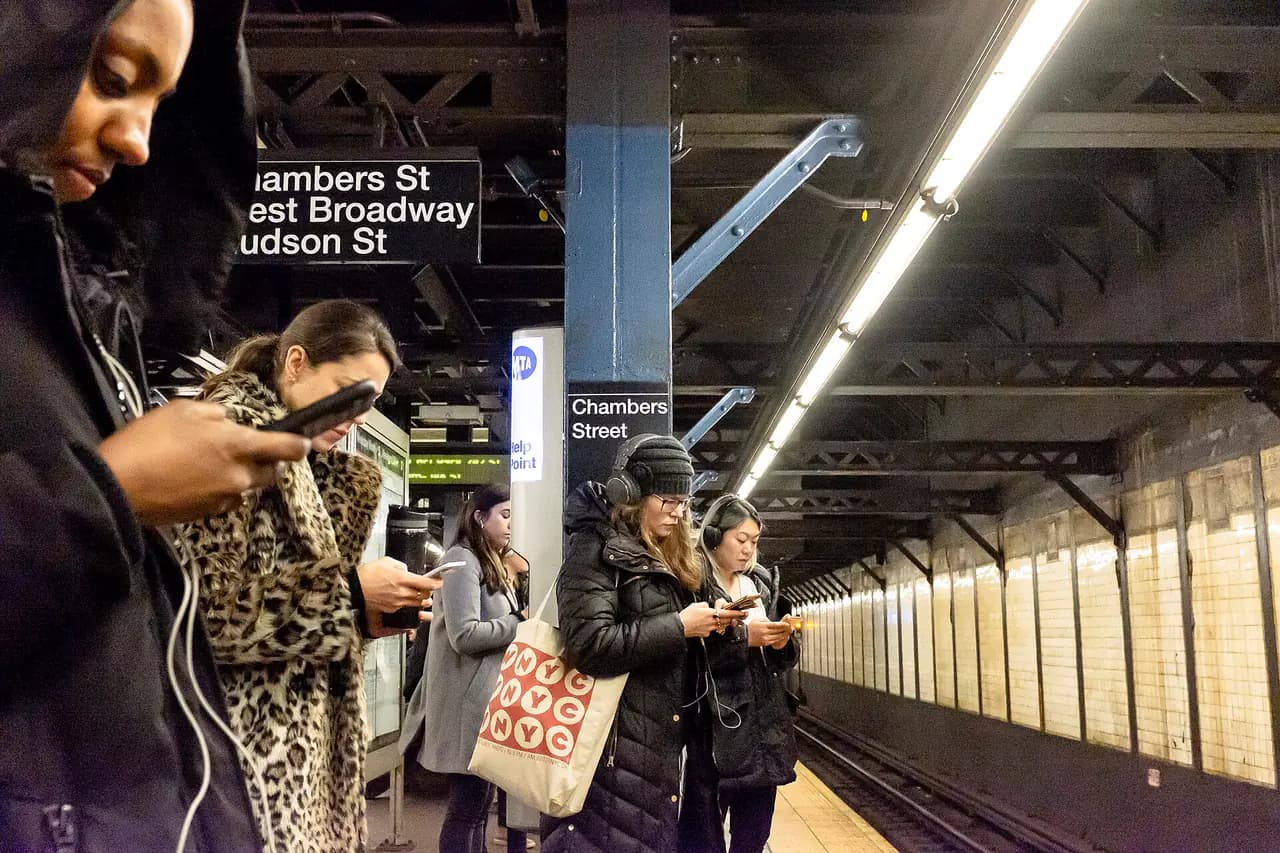
Photo: Billie Grace Ward / Wikimedia Commons · CC BY 2.0
- DCWP published a proposed rule Tuesday targeting AI and automated customer service 'doom loops'; the public hearing is Nov. 19 at 11 a.m. by phone or video (notice of hearing).
- Businesses would have to say at the start of an interaction, in the language being used, that the customer is dealing with an automated system.
- Repeatedly steering customers into menus or bot answers that don't resolve their problem would be presumed deceptive unless the company offers a one-step path to a human, such as 'Press 0', with an estimated wait.
- Fines would be $525 for a first violation, $1,050 for a second and $3,500 for later ones; companies would keep records for three years.
- Business groups warn of open questions and possible litigation; companies under exclusive federal oversight, such as airlines and national banks, would not be covered (Bloomberg Law).
If you have ever typed "agent" into a chatbot five times and still not reached a person, New York City wants to make that a violation of consumer protection law. The Department of Consumer and Worker Protection (DCWP) on Tuesday published a proposed rule aimed at what officials call customer service "doom loops," in which automated phone menus or AI chatbots keep customers going in circles, Gothamist reported. The rule appeared in the City Record on Oct. 20, according to the agency's notice of public hearing.
"Customer service cost-cutting can't come at New Yorkers' expense," Mayor Zohran Mamdani said in the agency's announcement, published by Harlem World. "We're drawing a line to save people time and money, and ensure people can get actual customer service," DCWP Commissioner Samuel Levine told reporters Tuesday, according to Gothamist. The administration calls the rule the first of its kind in the country.
What the rule would require
- Tell people it's a bot. Businesses would have to disclose, at the beginning of the interaction and in the language being used, that the customer is dealing with an automated system.
- No dead ends. It would be deceptive to promise customer service and then repeatedly and unreasonably send people to menus that don't solve their problem, or answer with unresponsive, irrelevant or wrong information.
- A way to reach a human. A company would be presumed to be violating the rule unless it offers a single-step transfer to a person, such as "Say or type 'agent'" or "Press 0," along with the estimated wait. If no person is available or the wait is unreasonably long, it would have to offer alternatives like business hours, a phone number, live chat, a callback, a contact form, text or email, with a timeframe for a response.
- Listed channels must work. Posting a phone number or email under "customer service" or "contact us" would count as a promise that service is available there.
- "The software did it" is no excuse. A new section says using a particular technology is not a defense to a violation.
- Records. Companies would keep interaction logs and annual summary data for three years.
Proposed penalties are $525 for a first violation, $1,050 for a second and $3,500 for each later one, and the city could seek restitution for consumers, the notice says. The rule covers customer service where all or substantially all of the communication is handled by technology.
Who it would cover, and who objects
Levine said the rule would apply to any company doing business in New York City, not just those based here, Gothamist reported. Companies under exclusive federal jurisdiction, such as airlines and national banks, would not be covered, Bloomberg Law reported. The agency's notice cites research from the firm Gartner finding that chatbots resolve only 17% of billing disputes, compared with 58% of returns and cancellations. California, Maine, New Jersey and Utah already require some form of chatbot disclosure, the notice says.
Steven Fulop, president of the business group Partnership for New York City, told Bloomberg Law the proposal leaves open questions and could invite litigation. The rule builds on DCWP's earlier crackdown on hard-to-cancel subscriptions, and comes as the City Council weighs the administration's broader consumer bill, the POWER Act.
How to weigh in
The hearing is Nov. 19, 2026, at 11 a.m., by phone (+1 646-893-7101, conference ID 886 506 734#) or video. Written comments can be submitted through rules.cityofnewyork.us or by email to Rulecomments@dcwp.nyc.gov until the hearing; requests for accommodations are due by Nov. 12. The rule is not in effect. When it takes effect depends on how many comments come in, and businesses would get a transition period, Gothamist reported.
- GothamistNYC proposes crackdown on AI customer service chatbots
- NYC Department of Consumer and Worker ProtectionNotice of Public Hearing: Proposed Rules Regarding Automated Customer Service Systems
- Harlem World (DCWP release)Mamdani Administration Proposes Ban On AI Customer Service 'Doom Loops' Trapping Callers
- Bloomberg LawMamdani Targets Companies With AI Customer Service 'Doom Loops'
Every story links to the reporting and records it’s based on. Our editors write each piece from public reporting and official data, and check it against those sources before it’s published.
Comments
0NSynced with CommunityIn CommunityYour comment is also posted to Community with this story attached, so neighbors can find it and reply there too.
No comments yet
Start the conversation — your comment shows up here and in Community for neighbors nearby.