NYC has approved just 65 backyard cottages and basement units under City of Yes, far short of 40,000 goal
Staten Island accounts for 26 of the approvals. High costs, a small pool of eligible lots and a backed-up city assistance program are slowing the rollout.
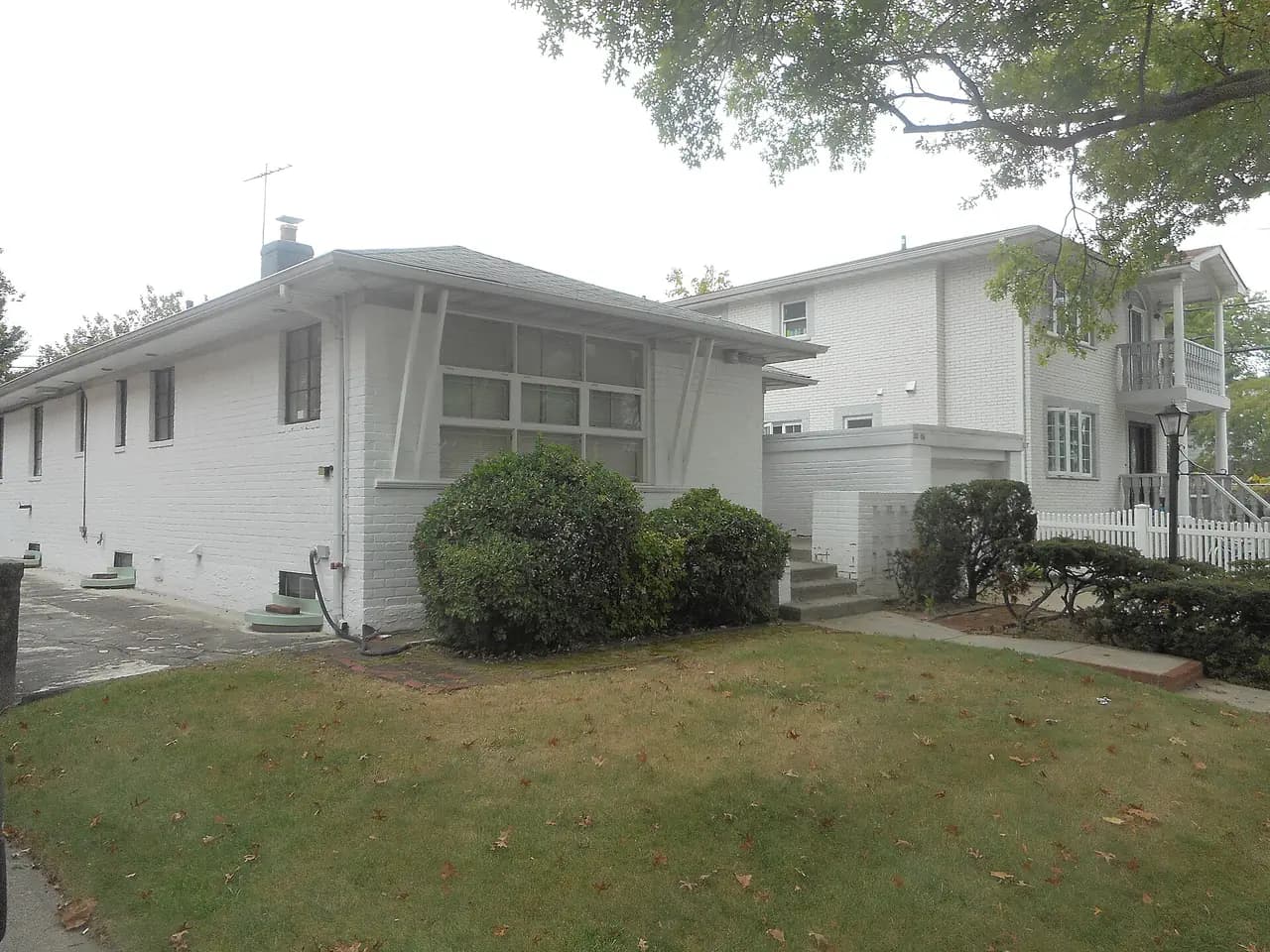
Photo: DanTD / Wikimedia Commons · CC BY-SA 4.0
- The Buildings Department had approved permits for 65 ancillary dwelling units citywide through October, 26 of them on Staten Island, out of 298 applications, SILive reported.
- The City of Yes environmental review projected as many as 40,000 ADUs by 2039, about half of the rezoning's 80,000-home promise.
- The cheapest design in the city's pre-approved library is estimated at about $85,000 before site costs, and only about 12% of one- and two-family lots are eligible, per one estimate cited by Dwell.
- The Plus One ADU assistance program, reopened in March with up to $395,000 per homeowner, closed intake in June, SILive reported.
- ADUs can be up to 800 square feet, require an owner to live on the lot at first occupancy, and are barred in historic districts and flood-risk areas.
The City of Yes housing plan was supposed to make the backyard cottage, the legal basement apartment and the garage conversion normal in New York. More than a year after the city started taking applications, very few are being built.
The numbers
- 65 permits approved citywide through the end of October, 26 of them on Staten Island, a Buildings Department spokesperson told SILive.
- 298 applications have been filed citywide since DOB began accepting them, 69 of them on Staten Island.
- That compares with the roughly 40,000 ADUs the City of Yes environmental review said could be built by 2039, about half of the 80,000 homes the rezoning was promised to deliver.
- None of the first-year permits went to projects by the firms in the city's pre-approved design library, Dwell reported this month, based on DOB data.
Why so few?
- Cost. The cheapest design in the city's pre-approved library carries a construction estimate of about $85,000, before site work and utility hookups, SILive reported. Dwell found some library designs estimated at well over $400,000.
- Few eligible lots. One estimate cited by Dwell puts only about 12% of the city's one- and two-family properties, roughly 68,000 lots, in places where an ADU is allowed. Most are on Staten Island, in the north Bronx and eastern Queens, and in parts of Brooklyn.
- Help is backed up. The city's Plus One ADU program, which the Mayor's Office reopened in March with up to $395,000 in financing and technical help per homeowner, closed intake in June, according to SILive. One Brooklyn applicant told Dwell she was still waiting in October after the city said it was working through site analyses for "thousands of responses."
Buildings Commissioner Ahmed Tigani told Dwell the program is still young and called the movement "promising" compared with earlier pilots.
The rules, if you're thinking about one
- An ADU is a self-contained home of up to 800 square feet added to a one- or two-family house. One is allowed per house, according to the Buildings Department's ADU FAQ.
- An owner has to live on the property as a primary residence when the ADU is first occupied.
- ADUs are barred in historic districts and mapped flood-risk areas. Backyard units are also barred in special districts like Bay Ridge and in some low-density R1-2A, R2A and R3A zones outside the Greater Transit Zone.
- Applications are filed through DOB NOW. The city's ADU for You site has an address eligibility check, a guidebook and the pre-approved plan library.


- SILiveWhere are all the tiny houses? NYC accessory dwelling permits fall far short of City of Yes goals
- Dwell40,000 ADUs in New York by 2039? Not at This Pace
- NYC Department of BuildingsAncillary Dwelling Units FAQs
- NYC Mayor's OfficeMayor Mamdani Unveils New Tools and Financing to Help Homeowners Add Ancillary Dwelling Units
- NYC HPDADU for You
Every story links to the reporting and records it’s based on. Our editors write each piece from public reporting and official data, and check it against those sources before it’s published.
Comments
0NSynced with CommunityIn CommunityYour comment is also posted to Community with this story attached, so neighbors can find it and reply there too.
No comments yet
Start the conversation — your comment shows up here and in Community for neighbors nearby.