10,807 older supportive housing units in New York need repair money, report says; 8,601 are in NYC
A first-of-its-kind statewide analysis by the Supportive Housing Network of New York finds 330 aging buildings that have never been refinanced or renovated, and asks Albany to fund the preservation of 3,000 units in its next five-year housing plan.
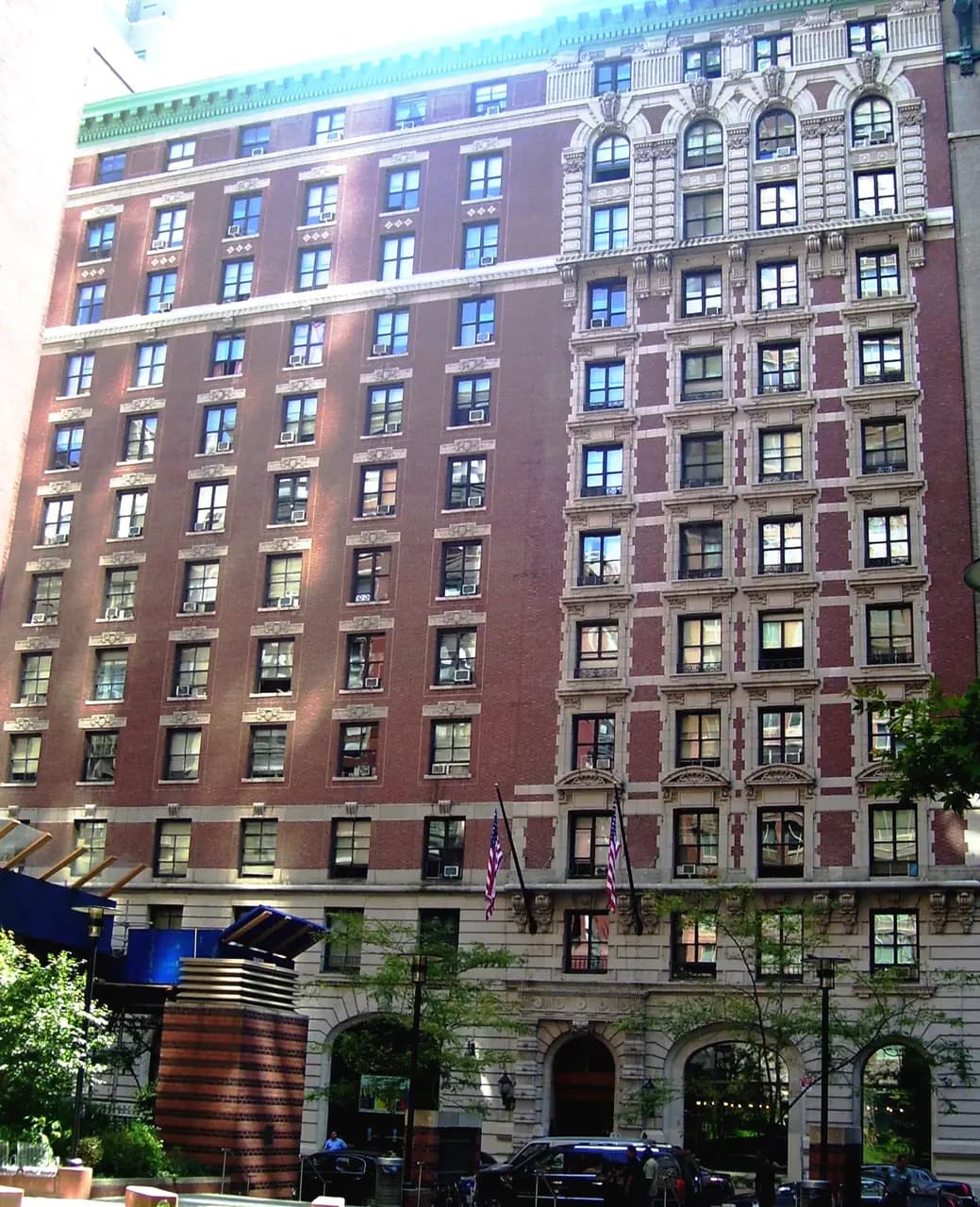
Photo: Beyond My Ken / Wikimedia Commons · CC BY-SA 4.0
- The Supportive Housing Network of New York counts 10,807 units in 330 buildings that have been supportive housing for 15+ years and were never preserved.
- New York City holds most of them: 8,601 units in 178 buildings, out of 26,674 congregate supportive units citywide.
- At least 169 of the 330 buildings were built before 1940; only 23% of units 15 years or older have been preserved or are in the pipeline.
- The Network asks the state to fund preservation of at least 3,000 units in its next five-year housing plan: 1,200 through HCR and 1,800 through OTDA.
- It also flags about $375 million a year in federal Continuum of Care money for 13,400 New York households as at risk from proposed federal changes.
New York has spent four decades building roughly 68,000 supportive housing units, affordable apartments paired with on-site social services. A new report argues that thousands of the oldest ones are now at risk because nobody has paid to fix them.
The Supportive Housing Network of New York, a membership group for the nonprofits that develop and run these buildings, identified 10,807 units in 330 buildings statewide that have operated as supportive housing for at least 15 years and have never been refinanced or renovated through a preservation deal. The Network calls it the first statewide analysis of the problem; BK Reader reported on it this week.
What the numbers show
- NYC carries most of the risk: 8,601 of the at-risk units, in 178 buildings, are in New York City, according to the full report. The city has 26,674 congregate supportive units in 542 buildings; 11,296 of them are at least 15 years old.
- Little has been preserved: of the 14,024 units statewide that are 15 years or older, only 3,217 (23%) have been preserved or are in the process. In the city, most of those deals ran through HPD's Year 15 program.
- Old buildings: at least 169 of the 330 buildings were built before 1940, and many were last rehabbed decades ago when they were converted.
- Small operators: the buildings are run by 117 providers; for 24% of them, every supportive program they operate is at least 15 years old.
- Size: NYC buildings on the list average 48 supportive units (68 total), smaller than what is being built today, which makes deals harder to finance.
Why money is short
The report says most of these buildings (84%) are tied to the state Office of Temporary and Disability Assistance, whose Homeless Housing and Assistance Program can pay for preservation but mostly funds new units; its newer stabilization track is capped at $2 million per project. Providers surveyed described operating deficits, rental assistance that hasn't kept up and costly applications. The report also notes service rates as low as $3,600 per unit a year in the original state supportive housing program, compared with more than $40,000 in newer NYC 15/15 contracts.
The Network also warns about federal money: New York receives about $375 million a year in Continuum of Care funds, supporting 13,400 households in permanent supportive housing, and proposed federal changes and litigation have made renewals uncertain.
What the Network wants
- A dedicated preservation goal of at least 3,000 units in the state's next five-year housing plan, split between Homes and Community Renewal (1,200) and OTDA (1,800).
- Close monitoring of HPD's new Supportive Preservation Program, including subsidy amounts and underwriting.
- Higher service rates, steadier rental and operating assistance, and cost escalators in contracts.
- A plan for possible Continuum of Care cuts.
"Without immediate action in the upcoming state budget and five-year housing plan, vulnerable New Yorkers could lose the homes and stability they have relied on for decades," executive director Pascale Leone said, as quoted by BK Reader.
The report lands as the city separately reports thousands of supportive units sitting vacant: an HRA count released this month put the number at 6,159 at the end of September, as we reported.


- Supportive Housing Network of New YorkPreserving What We Built: New York's Supportive Housing Crisis and the Case for a Preservation Mandate
- Supportive Housing Network of New YorkPreserving What We Built (full report, PDF)
- BK ReaderReport Reveals Thousands of New York Supportive Housing Units at Risk Without Funding
Every story links to the reporting and records it’s based on. Our editors write each piece from public reporting and official data, and check it against those sources before it’s published.
Comments
0NSynced with CommunityIn CommunityYour comment is also posted to Community with this story attached, so neighbors can find it and reply there too.
No comments yet
Start the conversation — your comment shows up here and in Community for neighbors nearby.