Transit group urges MTA to build the Interborough Express as a driverless light metro
A new Effective Transit Alliance report says automating the planned Brooklyn-Queens line from day one would allow trains as often as every 90 seconds at lower cost. The MTA board, and the transit workers union, stand in the way.
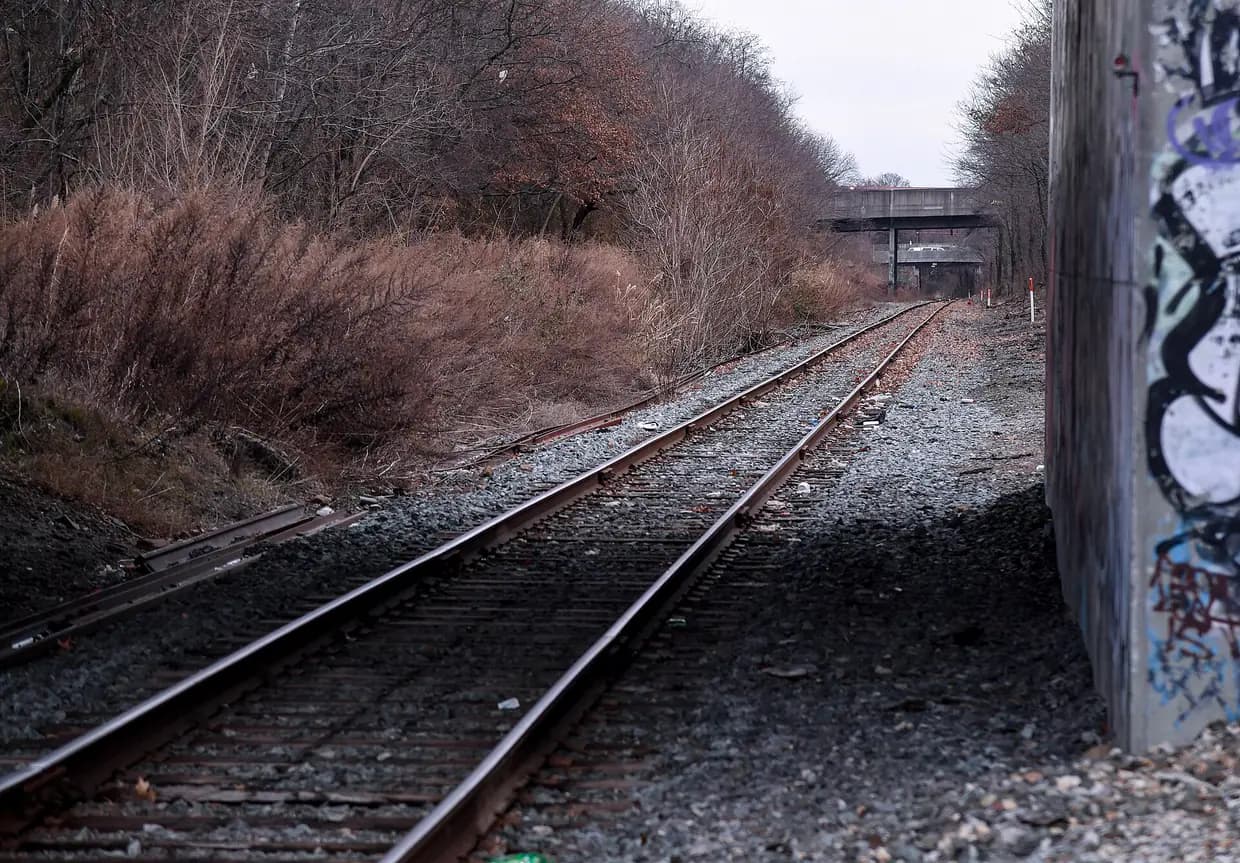
Photo: Metropolitan Transportation Authority / Wikimedia Commons · CC BY 2.0
- The Effective Transit Alliance (ETA) released a report Wednesday urging the MTA to plan the Interborough Express (IBX) as a fully automated light metro instead of conventional light rail.
- Timing: the MTA is expected to release the IBX draft environmental impact statement in late 2026, one of the last chances to shape the project's basic design, the group says.
- ETA says projected IBX ridership has risen 82%, from about 87,800 a day in the 2022 feasibility study to 160,000 in the 2025 design, more than the G train carries.
- The group says automation would allow more frequent all-day service at lower operating cost, plus platform screen doors and high-floor trains.
- MTA staff prefer automation, but the decision rests with the MTA board, and TWU Local 100 opposes cutting crew members, amNewYork reported.
The Interborough Express should run without drivers from the day it opens, a transit advocacy group argues in a report released Wednesday, saying that choosing automation now would let the planned Brooklyn-Queens line run trains far more often for less money than the MTA's current plan.
The Effective Transit Alliance report, shared first with amNewYork, urges the MTA to design the IBX as an automated light metro: driverless trains running on a right-of-way fully separated from streets, rather than traditional light rail with an operator on board.
Why now
The MTA is slated to release the IBX draft environmental impact statement in late 2026, and the public response to it will be one of the last chances to shape the project's broad design before the final statement locks in major decisions, ETA writes. The group says the original case for light rail rested on a street-running section with tight curves near All Faiths Cemetery, which the MTA now plans to build as a tunnel. With the whole route grade-separated, ETA argues, those constraints no longer apply.
The roughly $5.5 billion project would reuse existing freight tracks between Bay Ridge, Brooklyn, and Jackson Heights, Queens, for an 18-station line connecting to 17 subway lines, amNewYork reported, with end-to-end trips of about 30 minutes.
The case for automation
- Ridership is rising: projections have grown 82%, from about 87,800 daily riders in the 2022 feasibility study to 160,000 in the 2025 design, according to the report. That is more than the G train's roughly 149,000.
- More trains, lower cost: ETA says automated systems can run as often as every 90 seconds and are cheaper to operate, which would allow frequent off-peak service and shorter, less expensive stations without losing capacity.
- Global standard: 73% of new grade-separated rapid transit lines opened in 2025 were automated, ETA says. In New York, the JFK AirTrain already runs without drivers.
- Safety: the group also wants platform screen doors and high-floor light metro trains.
"Automation allows for frequent trains at all times of the day at a low cost," ETA executive director Blair Lorenzo said in a statement to amNewYork.
The obstacles
MTA staff working on the IBX have "expressed a strong preference for automation," according to the report, but they believe the decision lies with the MTA board, amNewYork reported. Transport Workers Union Local 100, which is negotiating a new contract with the MTA, has fought efforts to expand automation on existing subway lines. A union-backed bill to bar one-person train operation on most lines passed both houses of the Legislature this year and awaits action by Gov. Kathy Hochul, amNewYork said.
- Effective Transit AllianceNo Need to Wait: Automated Light Metro is Right for the IBX
- amNewYorkAutomating the IBX will ensure it can run faster, handle more riders, at a lower cost: report
Every story links to the reporting and records it’s based on. Our editors write each piece from public reporting and official data, and check it against those sources before it’s published.
Comments
0NSynced with CommunityIn CommunityYour comment is also posted to Community with this story attached, so neighbors can find it and reply there too.
No comments yet
Start the conversation — your comment shows up here and in Community for neighbors nearby.