Budget watchdog says the MTA could save up to $2.5 billion a year, starting with fewer subway conductors
The Citizens Budget Commission says the MTA's gaps grow to $897 million by 2030 and lists fixes from faster buses to one-person trains. The transit union rejects cutting conductors.
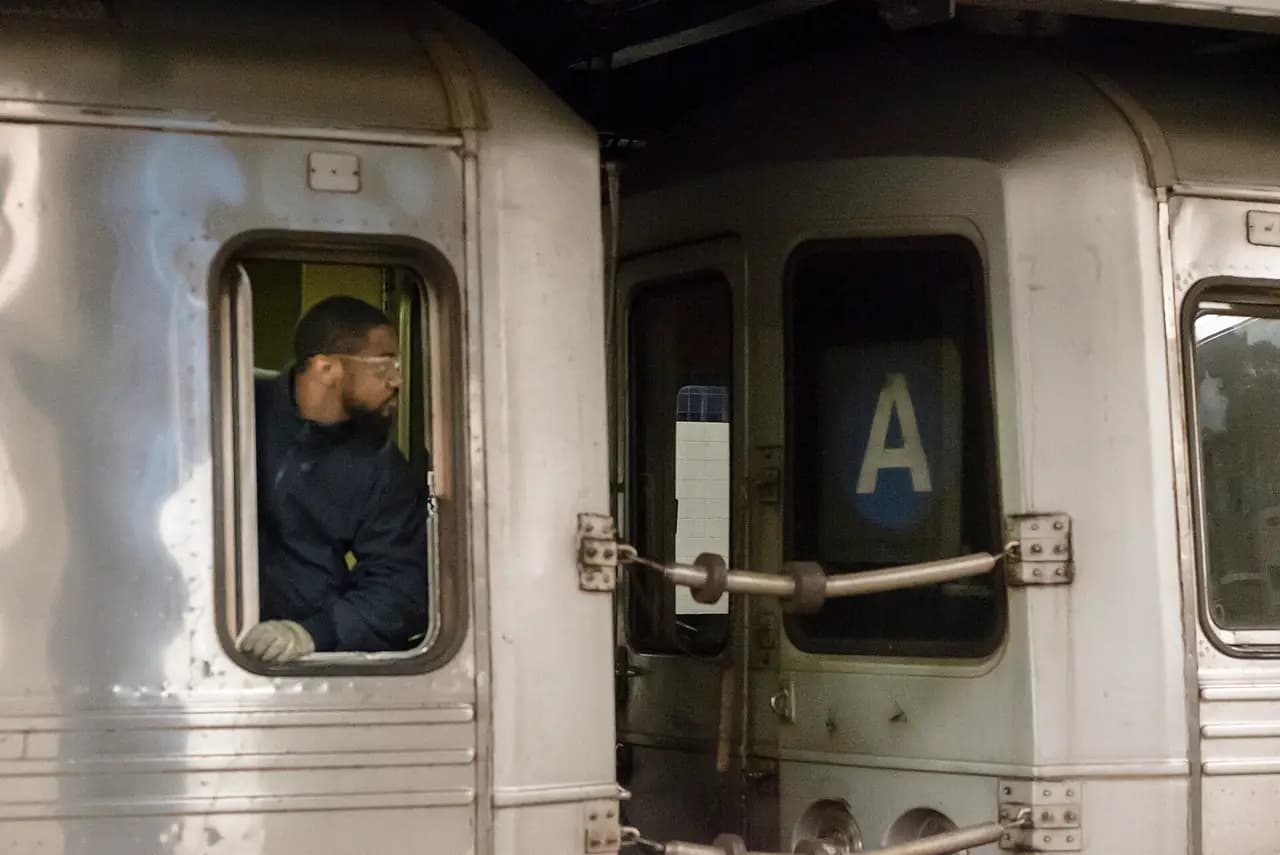
Photo: Billie Grace Ward / Wikimedia Commons · CC BY 2.0
- The Citizens Budget Commission's report, released Nov. 2, says the MTA's projected budget gaps grow from $295 million in 2027 to $897 million in 2030.
- CBC says reforms could save up to $2.5 billion a year by 2029: up to $971 million from productivity, $618 million from conductor changes and $886 million from health care costs.
- Cutting subway conductors by half through one-person train operation would save $238 million a year and eliminate 1,140 positions through attrition and retraining, CBC estimates.
- TWU International president John Samuelsen rejected taking conductors off trains; a bill requiring two-person subway crews is on Gov. Hochul's desk.
- The MTA pointed to $576 million in yearly savings already achieved and its joint plan to speed up buses, but did not comment on the other proposals.
The MTA could save up to $2.5 billion a year by 2029 by changing how it staffs trains, maintains its fleet and pays for health care, the fiscal watchdog Citizens Budget Commission said in a report released Monday.
The MTA's 2026 budget is balanced, but the authority projects gaps of $295 million in 2027, $507 million in 2028, $707 million in 2029 and $897 million in 2030, in part because spending is growing faster than regular fare increases, according to the report. CBC credits the MTA with $576 million in recurring yearly savings so far, with another $174 million planned by 2029.
Where CBC says the money is
- Productivity, up to $971 million a year: bringing subway facility maintenance in line with other U.S. systems ($361 million), bus operations and maintenance ($114 million), railroad parity between the LIRR and Metro-North ($193 million) and making local buses 15% faster ($303 million).
- Conductor changes, up to $618 million: expanding one-person train operation on the subway ($238 million) and checking LIRR and Metro-North fares at stations instead of on board ($380 million).
- Health care, up to $886 million: having retirees pay part of their premiums as state retirees do ($318 million), raising union employees' contributions to match non-union staff ($207 million) and redesigning plans ($361 million).
The conductor question
Nearly every subway train runs with an operator and a conductor under the Transport Workers Union contract. CBC says the MTA employed 3,185 subway conductors in 2025 at a cost of $418 million in wages and benefits. Cutting that number by half would save $238 million by 2029 and eliminate 1,140 positions, which CBC says could happen through attrition and retraining without layoffs. The 7 and L lines, which already run on modern CBTC signals, could save $36.5 million a year without conductors, the report says.
The union is opposed. TWU International president John Samuelsen told amNewYork that no computer or AI system could evacuate riders in an emergency, pointing to the 2022 shooting on an N train in Brooklyn. A bill backed by TWU Local 100 to require two-person subway crews passed both houses of the Legislature this year and is awaiting action by Gov. Kathy Hochul, who vetoed a similar bill last year. The MTA and Local 100, which represents about 40,000 workers, are negotiating a new contract after the last one expired in May, amNewYork reported.
What the MTA said
MTA senior adviser Mitch Schwartz said in a statement that CBC was right to note the agency's progress on recurring efficiencies and welcomed its support for the bus-speed plan the MTA co-wrote with the city. He did not address the other proposals, according to amNewYork.
CBC acknowledged many of its ideas would be hard to win and would need labor as a full partner, along with backing from state and city leaders.
- Citizens Budget CommissionThe Next Stop for MTA Efficiency
- Citizens Budget CommissionCBC Releases 'The Next Stop for MTA Efficiency'
- amNewYorkMTA could plug projected budget holes by taking conductors off more trains, making other reforms: fiscal watchdog report
Every story links to the reporting and records it’s based on. Our editors write each piece from public reporting and official data, and check it against those sources before it’s published.
Comments
0NSynced with CommunityIn CommunityYour comment is also posted to Community with this story attached, so neighbors can find it and reply there too.
No comments yet
Start the conversation — your comment shows up here and in Community for neighbors nearby.