Did your lease make you give up rent-stabilization rights? A NYC landlord just had to void that clause. Here's how to check your apartment
Samson Management had 416 city tenants sign a rider giving up the right to claim rent regulation. The attorney general says that's illegal. Here's how to find out whether your apartment is stabilized.
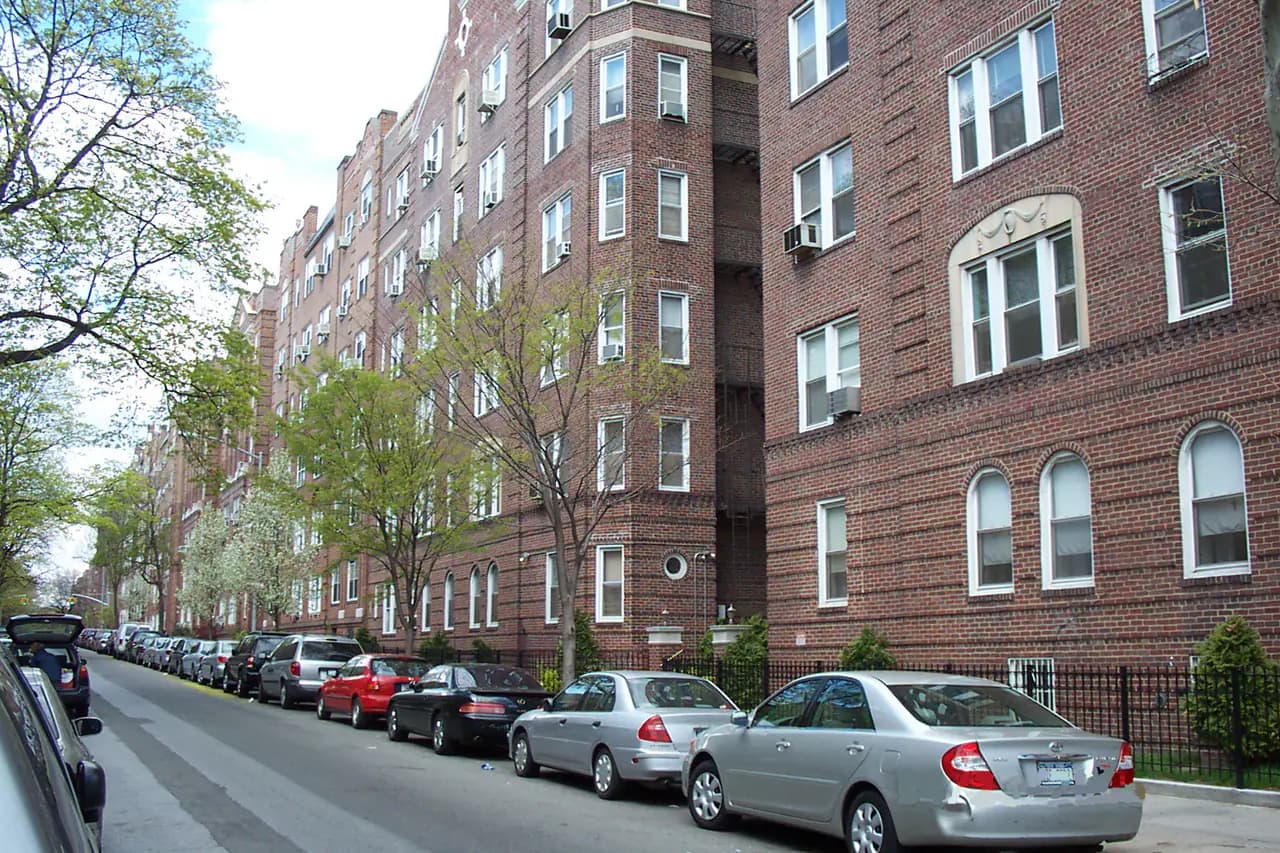
Photo: Jleon / Wikimedia Commons · CC BY 2.5
- The attorney general's office says Queens-based Samson Management required 416 current NYC tenants to sign a rider waiving the right to claim rent regulation.
- Samson must void the rider, notify every tenant who signed it, accept monitoring and pay a $2,000 fine. Officials found no case where the rider was enforced.
- State law bars a residential lease from waiving any part of the rent stabilization law or a tenant's right to go to court.
- To check your apartment's status and rent history, use the Ask HCR portal. The Rent Guidelines Board building lists are a starting point only.
- With the rent freeze upheld Nov. 25, a stabilized apartment treated as market-rate could miss out. To report illegal lease language, call the AG at 1-800-771-7755.
A lease can't make you give up your right to argue that your apartment is rent-stabilized. The state attorney general's office made that point this month in a settlement with Samson Management, a Queens-based landlord. With the city's rent freeze now upheld in court, it's a good time to check what kind of apartment you actually have.
What happened with Samson
Attorney General Letitia James said on Nov. 12 that Samson had required tenants, including 416 current New York City tenants, to sign a lease rider giving up their right to claim or contest that their apartment is covered by rent regulation, according to the attorney general's announcement. The rider made the lease conditional on signing it and threatened tenants who challenged the apartment's status with eviction. Samson owns or manages more than 3,000 apartments in the city, Westchester and Long Island.
The rider stated that the apartment was not subject to rent control, rent stabilization or the Loft Law, Bushwick Daily reported, quoting the settlement. The 416 tenants live in apartments Samson treats as unregulated. The settlement doesn't establish that any of those units is actually regulated, only that tenants can't be blocked from raising the question.
Under the settlement, Samson must remove the rider from current and future leases, send a letter to every tenant who signed it saying the rider is void, join a compliance-monitoring program with the attorney general's office and pay a $2,000 fine. Bushwick Daily reported the monitoring runs two years. The office said it found no case where Samson enforced the rider, and that the investigation began in June after a tenant organizer complained.
New York law bars a residential lease from making tenants waive their right to go to court or any part of the rent stabilization law, the attorney general's office said.
Why it matters right now
About 1 million city apartments are rent-stabilized, according to the Rent Guidelines Board. Stabilized tenants have the right to renew their leases and are protected from sharp increases. In June the board approved a rent freeze for stabilized apartments, and a Manhattan judge upheld it on Nov. 25 after landlords sued, Gothamist reported. If your apartment is stabilized and your landlord treats it as market-rate, you could miss out on the freeze.
How to check if your apartment is rent-stabilized
- Ask the state. Only New York State Homes and Community Renewal (HCR), which runs the rent laws, can say whether a specific apartment is regulated. Use the Ask HCR portal, the same form the Rent Guidelines Board points tenants to for checking status and requesting the apartment's rent history.
- Check the building list. The Rent Guidelines Board posts lists of buildings with stabilized units. The board says the lists are not complete and don't show which apartments are stabilized, so use them as a first clue only.
- Look at your lease. If your apartment is stabilized, your landlord is supposed to attach the official Rent Stabilization Lease Rider, which shows the prior rent and the reasons for any increase (HCR Fact Sheet #2). That official notice is different from the kind of waiver Samson used. You can complain to HCR if you never got it.
- Know the rule of thumb. In general, the board says, if your building has six or more units and isn't a co-op or condo, it's worth asking HCR whether your apartment is, or should be, stabilized.
If your lease has a waiver like this
The attorney general's office asks tenants who think their lease has illegal language, such as a clause threatening eviction if you claim rent regulation, to call 1-800-771-7755 or file a complaint online.


- New York State Attorney GeneralAttorney General James Protects New York City Tenants' Right to Rent Regulation
- Bushwick DailySamson Management must void a lease rider that threatened 416 NYC tenants with eviction for claiming rent regulation
- GothamistJudge upholds NYC rent freeze, marking win for Mamdani and his affordability agenda
- NYC Rent Guidelines BoardRent Stabilization FAQs
- NYC Rent Guidelines BoardRent Stabilized Building Lists
- NYS Homes and Community RenewalFact Sheet #2: Rent Stabilization Lease Rider
Every story links to the reporting and records it’s based on. Our editors write each piece from public reporting and official data, and check it against those sources before it’s published.
Comments
0NSynced with CommunityIn CommunityYour comment is also posted to Community with this story attached, so neighbors can find it and reply there too.
No comments yet
Start the conversation — your comment shows up here and in Community for neighbors nearby.