NYC homes must have natural gas detectors by Jan. 1: who has to install them and what counts
Owners of apartment buildings, one- and two-family homes, hotels and SROs with gas piping must put a UL-listed methane alarm in every unit near gas appliances. Here are the rules and where to get help.
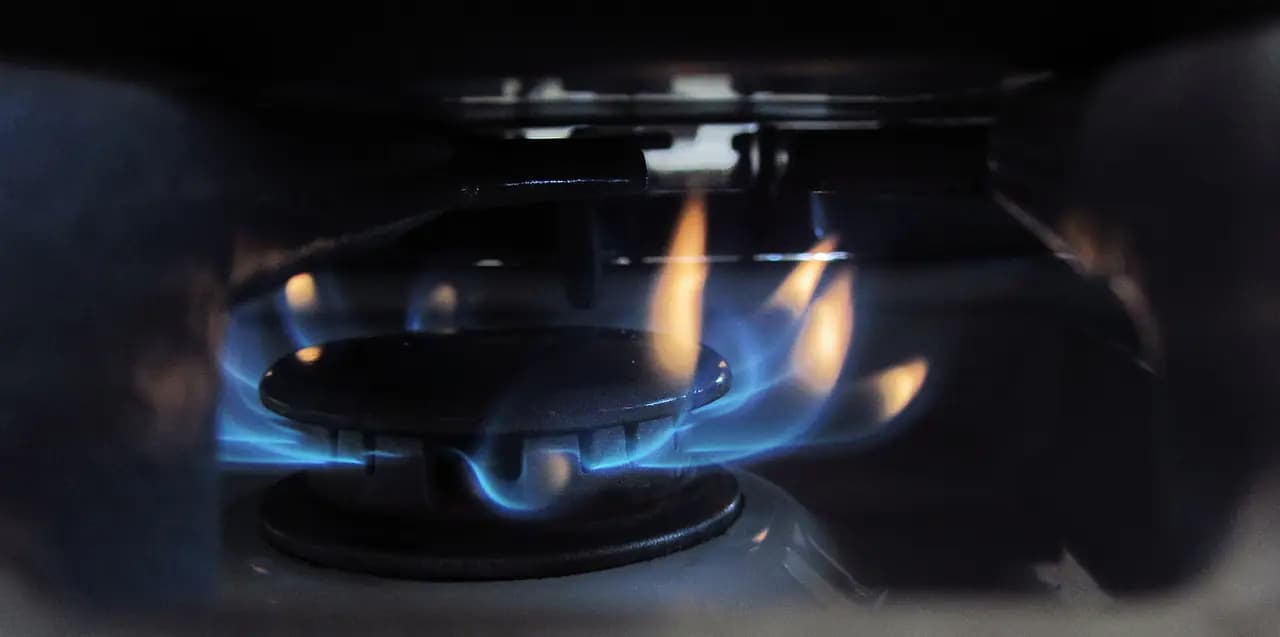
Photo: Lisafern / Wikimedia Commons · CC0
- Starting Jan. 1, 2027, owners of NYC residential buildings with gas piping must install a natural gas alarm in every dwelling unit near gas appliances.
- It applies to apartment buildings, one- and two-family homes, hotels and motels, rooming houses and single-room-occupancy buildings.
- Landlords, not tenants, must provide the detectors; hard-wired, plug-in or battery models are allowed if listed to UL 1484 or UL 2075.
- DOB says the deadline will not be extended again because at least four makers of compliant battery alarms exist.
- HPD says its inspectors will check for the alarms starting next year; if an alarm sounds or you smell gas, leave and call 911 from outside.
Five weeks from now, most New York City homes that use natural gas will be required to have a gas alarm. Under a rule that takes effect Jan. 1, 2027, owners of residential buildings with gas piping must install a code-compliant natural gas detector in every dwelling unit, near the gas appliances, the Department of Buildings says. QNS flagged the approaching deadline this week for Queens owners, but the rule is citywide.
Who has to comply
The requirement covers buildings with gas piping in these categories:
- Apartment buildings
- Private dwellings, including one- and two-family homes
- Hotels, motels, lodging and rooming houses
- Single-room-occupancy buildings
It is the owner's job, not the tenant's, to buy and install the alarms in renters' apartments, QNS noted. HPD Commissioner Dina Levy said in the DOB announcement that the agency's code inspectors will start checking for the devices next year.
What counts as a compliant detector
Hard-wired alarms, plug-in alarms and battery-powered alarms are all allowed, as long as the device is listed and labeled to UL 1484 or UL 2075. The city doesn't endorse a brand, but DOB published a partial list of battery models it has identified as UL 1484 listed, from Aware Buildings, DeNova, Heiman, Nexelec and Universal Security Instruments. DOB says battery units can be placed in the best detection spot without an outlet or new wiring, and are sold online and at hardware and home-improvement stores.
No more extensions
The requirement dates to Local Law 157 of 2016. A 2024 rule first set a May 1, 2025 deadline, and Local Law 102 of 2025 pushed it to Jan. 1, 2027, according to the city's rules site. That law tied the date to the market: once DOB found at least four separate manufacturers of battery-powered alarms, the deadline would hold. In a service notice, DOB said it has found them, so the date "will not be extended." The department also has a proposed rule pending that clarifies where alarms must be placed.
Free detectors and safety tips
- DOB and National Grid have been giving out a limited number of free detectors to small residential property owners at outreach events in all five boroughs, first come, first served while supplies last.
- If a gas alarm goes off or you smell gas, leave right away and call 911 once you are a safe distance from the building.
- Owners with questions can email DOB at LL102of2025@buildings.nyc.gov.


- NYC Department of BuildingsNatural Gas Detectors Improve Public Safety In NYC Homes
- QNSQueens homes must have natural gas detectors by Jan. 1
- NYC Department of BuildingsService Notice: Deadline to Install Natural Gas Alarms is January 1, 2027
- NYC RulesNatural Gas Alarms (proposed rule)
Every story links to the reporting and records it’s based on. Our editors write each piece from public reporting and official data, and check it against those sources before it’s published.


Comments
0NSynced with CommunityIn CommunityYour comment is also posted to Community with this story attached, so neighbors can find it and reply there too.
No comments yet
Start the conversation — your comment shows up here and in Community for neighbors nearby.