NYC ambulances take 41% longer to reach life-threatening emergencies than a decade ago, comptroller finds
Comptroller Mark Levine's office links the slowdown to rising calls, broken-down ambulances and low EMS pay, and urges the city to settle a contract EMTs and paramedics have been without since 2022.
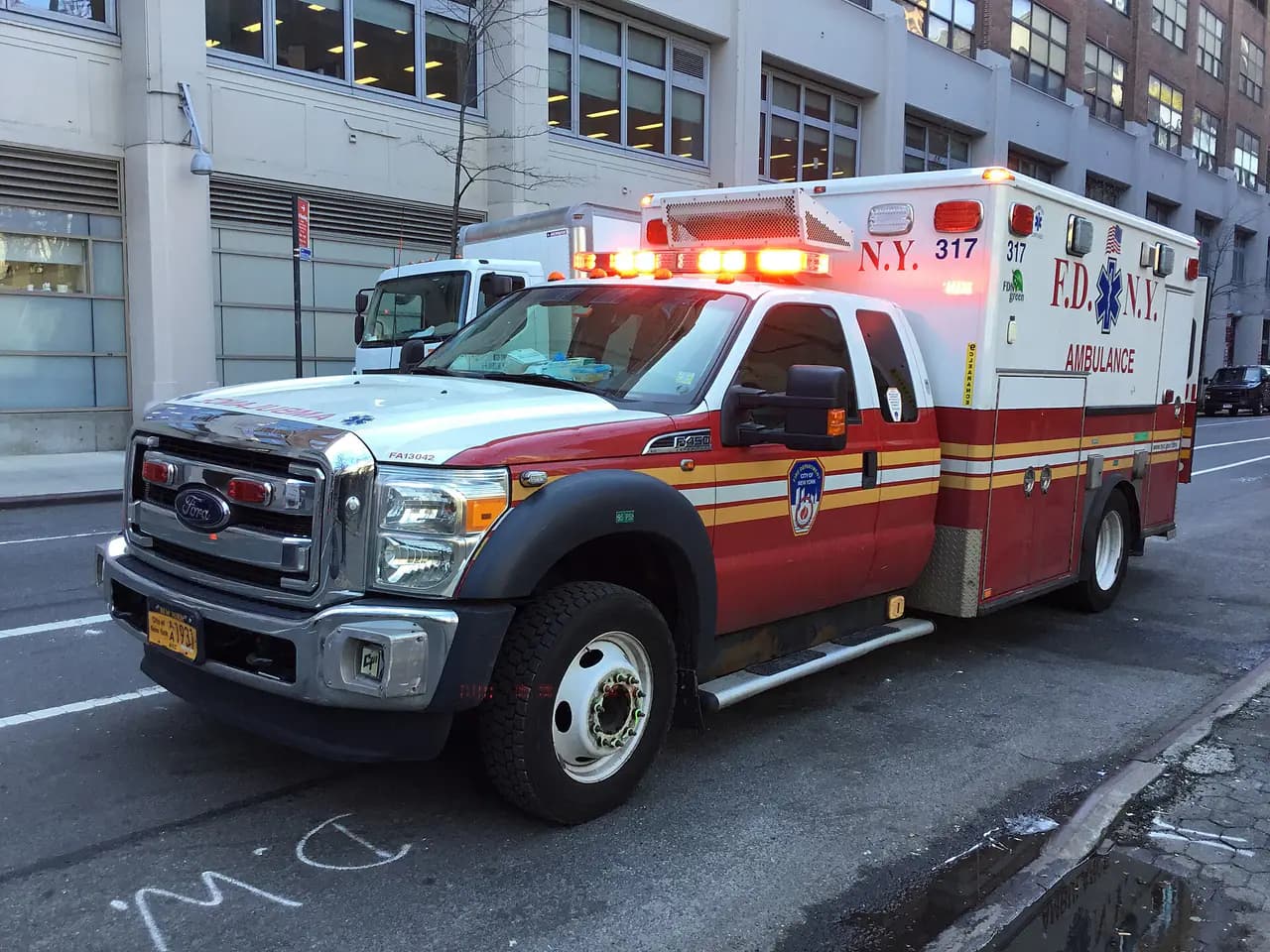
Photo: Kidfly182 / Wikimedia Commons · CC BY-SA 4.0
- FDNY response times to life-threatening medical emergencies grew 3 minutes 50 seconds, more than 41%, between fiscal 2015 and 2026, a city comptroller report found (Gothamist).
- Life-threatening calls rose more than 22% in that period, and response times for non-life-threatening calls more than doubled (Gothamist).
- The city's own performance report shows the average ambulance response to life-threatening calls rose from 11:21 in fiscal 2025 to 13:09 in fiscal 2026 (amNY).
- On one January day, the FDNY had 360 ambulances in service against a target of 488; fleet maintenance and staff turnover are cited (Gothamist).
- EMTs and paramedics have had no contract since 2022. Matching private-sector pay would cost $352 million; parity with firefighters over $1 billion (Gothamist).
New York City ambulances are taking longer to reach people in life-threatening emergencies even as those emergencies become more common, according to a report from City Comptroller Mark Levine's office described by Gothamist.
The report looked at FDNY emergency medical service data from fiscal years 2015 through 2026. Over that stretch, life-threatening medical emergencies rose more than 22%, and the FDNY's response time to them grew by 3 minutes and 50 seconds, an increase of more than 41%. Response times to calls that are not life-threatening more than doubled, Gothamist reported. A comptroller spokesperson said the office did not know why life-threatening emergencies were rising.
The city's own numbers
The trend matches the city's latest Mayor's Management Report. It showed the average ambulance response to life-threatening medical emergencies climbing from 11 minutes, 21 seconds in fiscal 2025 to 13 minutes, 9 seconds in fiscal 2026, as FDNY EMS answered more than 1.6 million medical emergencies, amNY reported.
"If it is your loved one having a heart attack, a stroke or suffering a seizure, three and a half additional minutes is an eternity," Michael Greco, president of FDNY EMS Local 2507, told amNY.
Too few ambulances on the street
The comptroller's report says the FDNY's ambulance fleet often needs maintenance, which leaves fewer units responding on a given day. On one day in January, the department had 360 ambulances in service against a daily target of 488, according to Gothamist.
Staffing is the other problem. The FDNY reported a 5% attrition rate at an October 2025 hearing, a figure the report says likely undercounts departures because it leaves out EMS workers who become firefighters. EMT salaries start near $44,000 and can top $68,000 after five and a half years, Gothamist reported, and city EMS workers earn less than comparable workers at private hospitals.
The pay fight
EMTs and paramedics have worked without a contract since 2022 because of a pay dispute. Their union wants pay and raises on par with firefighters, which the report estimates would cost more than $1 billion. Raising salaries to private-sector levels would cost the city about $352 million, according to Gothamist.
The report urges the city to "move quickly to reach a labor agreement" that brings EMS pay at least in line with the private sector, while acknowledging that pay alone won't fix response times. "The City must negotiate a new contract that provides EMTs and paramedics with competitive pay," Levine said in a statement.
FDNY spokesperson Amanda Farinacci said the department is working to lower response times by improving coordination with hospitals, working more efficiently in high-volume areas and getting units back into service faster, Gothamist reported.
- GothamistNYC ambulance response times have grown 41% as life-threatening calls rise
- amNewYorkFDNY EMS life-threatening emergency response time climbs nearly 2 minutes as staffing and pay crisis deepens
Every story links to the reporting and records it’s based on. Our editors write each piece from public reporting and official data, and check it against those sources before it’s published.
Comments
0NSynced with CommunityIn CommunityYour comment is also posted to Community with this story attached, so neighbors can find it and reply there too.
No comments yet
Start the conversation — your comment shows up here and in Community for neighbors nearby.