Food dye and additive ban lands on Hochul's desk as businesses push for a veto
The bill would ban Red Dye 3, potassium bromate and propylparaben and create a public database of 'generally recognized as safe' ingredients. More than 300 small businesses say it would raise grocery prices.
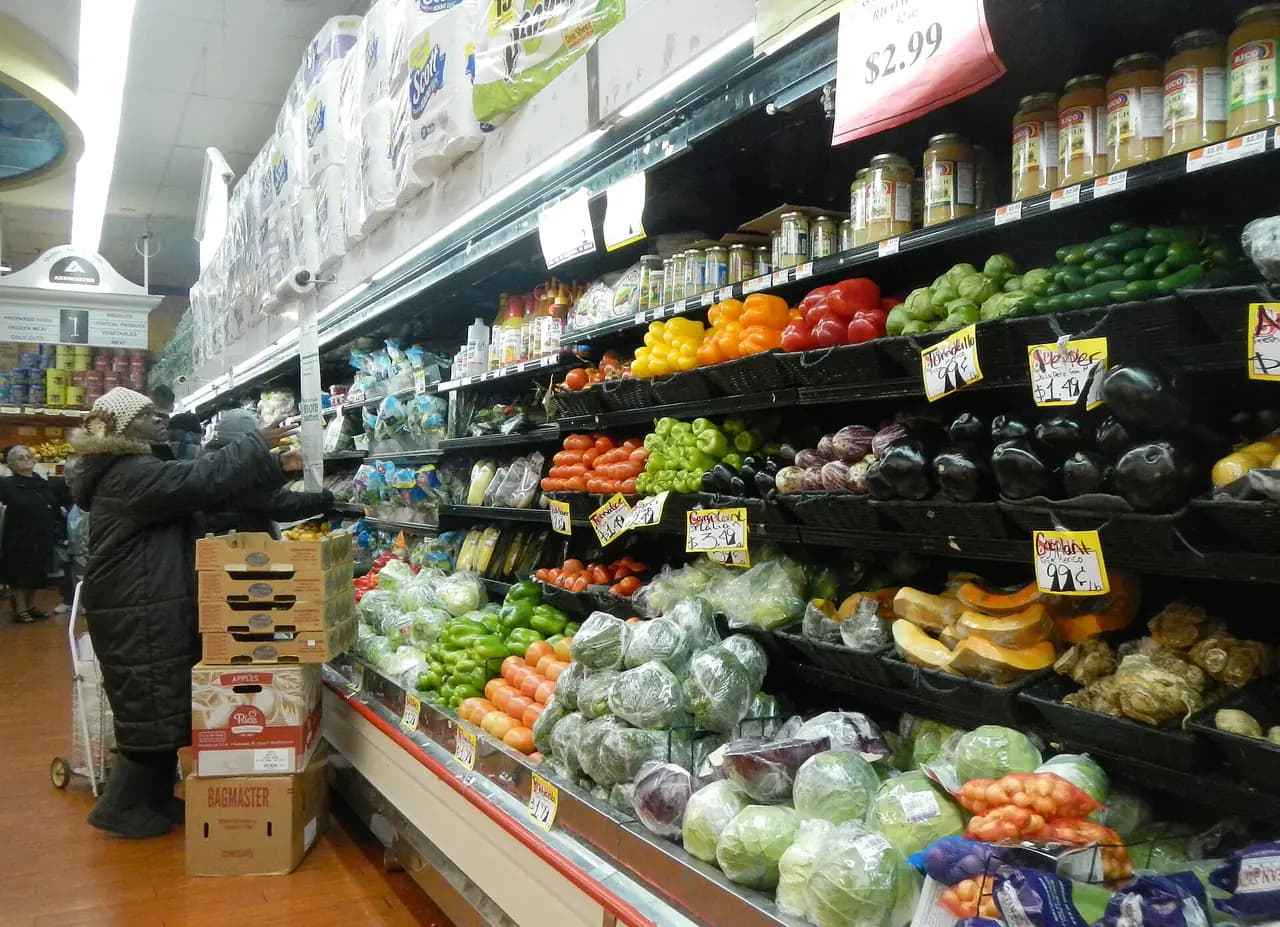
Photo: Jim.henderson / Wikimedia Commons · CC0
- The Food Safety and Chemical Disclosure Act (S1239-F/A1556-G) was delivered to Gov. Hochul on Nov. 13, the state Senate's records show.
- It would ban Red Dye 3, potassium bromate and propylparaben in food sold in New York, starting a year after the law takes effect.
- Companies would have to report safety data on 'GRAS' ingredients not reviewed by the FDA to a public state database; firms with 100 or fewer workers are exempt.
- More than 300 small business owners urged a veto, citing an analysis that grocery costs could rise about 6%, or $620 a year per household (PIX11).
- The Senate passed it 60-0 in March and the Assembly in April; the Senate's bill page showed no signature or veto as of Sunday.
A bill that would make New York the latest state to ban three common food additives, and to make companies publicly report the safety data behind ingredients they deem "generally recognized as safe," is now on Gov. Kathy Hochul's desk. The Food Safety and Chemical Disclosure Act (S1239-F / A1556-G) was delivered to the governor on Friday, Nov. 13, according to the state Senate, and more than 300 small business owners are asking her to veto it, PIX11 reported Sunday.
What the bill does
- Bans three additives: Red Dye No. 3, potassium bromate (used in some breads and flour) and propylparaben (a preservative). Under the bill text, the law takes effect one year after it is signed, and the ban on making or selling food with those ingredients starts one year after that.
- Time to sell through: grocery stores, restaurants, food pantries, farmers markets and other retailers can keep selling products they bought before the law took effect until the printed expiration or "best by" date, but no longer than three years.
- A public ingredient database: companies would have to file a report with the state Department of Agriculture and Markets before using a substance they consider "generally recognized as safe," or GRAS, unless the FDA has already reviewed it. The department would post the reports in a searchable public database. Trade secrets could be redacted, but not the data used to show the ingredient is safe.
- Exemptions: independently owned businesses with 100 or fewer employees are exempt from the reporting rules, and retailers are protected if their supplier contracts say the products comply.
The fight over a veto
The business owners opposing the bill say the rules would raise costs for food makers and suppliers that would be passed on to shoppers, PIX11 reported. They cite an economic analysis estimating grocery costs could rise about 6%, or roughly $620 a year for the average household. A separate coalition of dozens of business groups, chambers of commerce and food and beverage associations also urged a veto, arguing the bill would raise costs "with no corresponding improvement to food safety," the Times Union reported. Opponents also questioned whether the state has the staff to run a reporting system of this size.
Supporters point to other governments that already restrict the same ingredients. The sponsor's memo says the bill is modeled on California's 2023 Food Safety Act and notes that the European Union already bans the three additives. It links Red Dye 3 to cancer and behavioral problems in children, potassium bromate to cancer and propylparaben to hormone and reproductive harm.
Where it stands
- Votes: the Senate passed the current version 60-0 on March 23, and the Assembly passed it on April 21, the Senate's records show. It was sponsored in the Senate by Brian Kavanagh of Manhattan and drew Democratic and Republican co-sponsors.
- Next: the Senate's bill page showed no signature or veto as of Sunday.


- PIX11Hochul faces pressure from NY businesses over proposed food safety rules
- New York State SenateSenate Bill S1239F: Enacts the food safety and chemical disclosure act
- New York State SenateS1239-F bill text (PDF)
- Times UnionHochul urged to veto 'food safety' legislation critics say will drive up grocery prices
Every story links to the reporting and records it’s based on. Our editors write each piece from public reporting and official data, and check it against those sources before it’s published.

Comments
0NSynced with CommunityIn CommunityYour comment is also posted to Community with this story attached, so neighbors can find it and reply there too.
No comments yet
Start the conversation — your comment shows up here and in Community for neighbors nearby.