City Council weighs earlier Legionella reporting after deadly summer outbreaks
A Health Committee hearing Monday takes up Int. 1094, which would make building owners tell the health department about cooling-tower Legionella at 10 CFU/mL instead of waiting until 1,000.
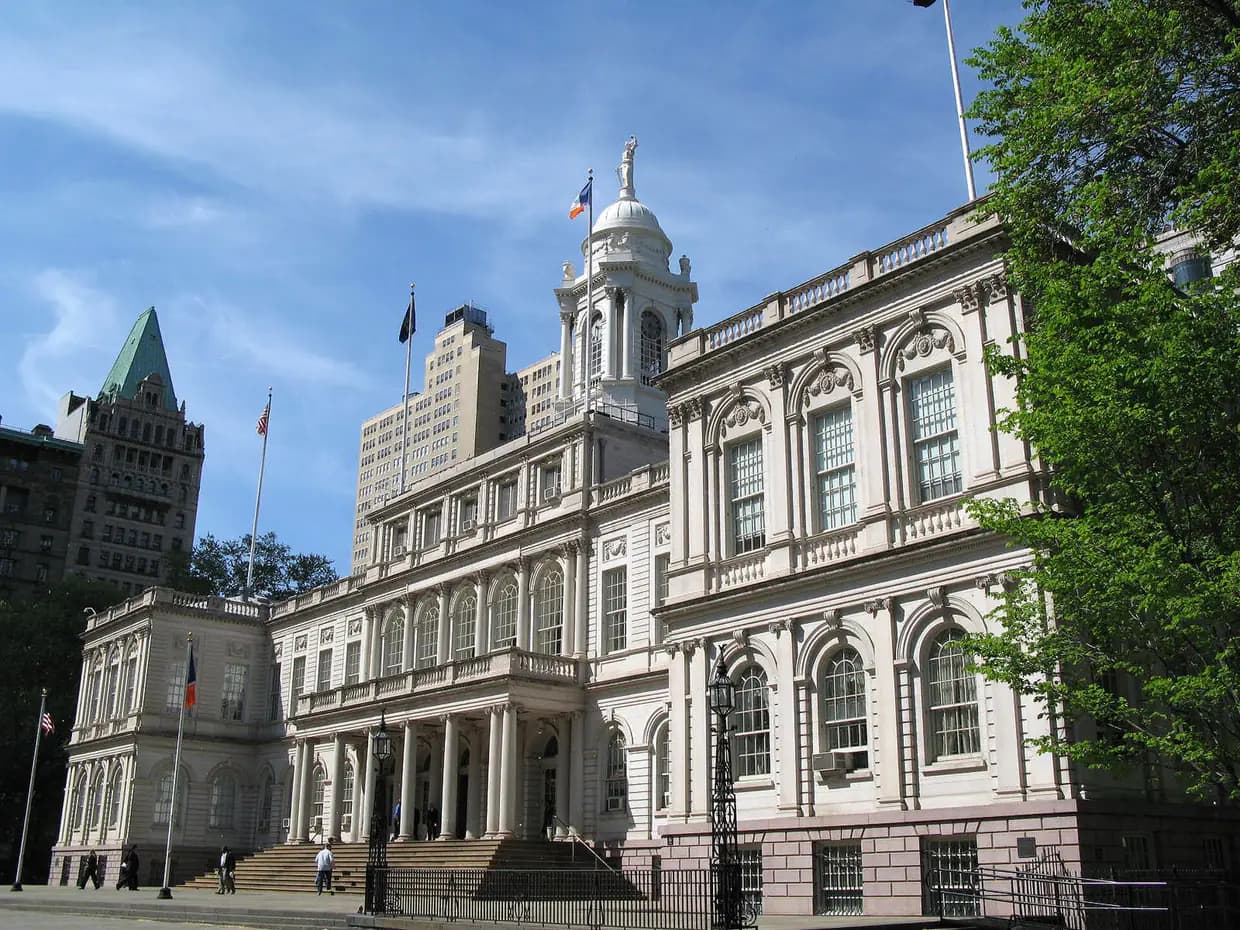
Photo: Momos / Wikimedia Commons · CC BY-SA 3.0
- Int. 1094-2026 would require building owners to notify DOHMH within 24 hours when a cooling-tower Legionella test hits 10 CFU/mL or higher (Gothamist, CBS New York, Legistar).
- Under current rules, owners must start disinfection at 10 CFU/mL but only report to the health department at 1,000 CFU/mL (Gothamist).
- Council Member Lynn Schulman, who chairs the Health Committee and sponsors the bill, said the lower threshold is meant to cut the chance of outbreaks like those this summer (Gothamist, CBS).
- CBS New York reported more than 100 New Yorkers sickened and 13 deaths in recent months, including a July Upper East Side outbreak (94 sick, 11 dead) and a Bronx cluster (23 cases, 2 deaths).
- A May law already sped testing to every 31 days instead of every three months; Schulman expects negotiations after Monday's hearing (Gothamist).
New York City lawmakers are considering a bill that would force building owners to alert the health department about Legionella in cooling towers much earlier — at the same bacteria level that already triggers disinfection, not the much higher level used today for city notification.
Gothamist and CBS New York reported that the City Council Health Committee was scheduled to take up the measure Monday after two deadly Legionnaires' disease outbreaks this summer.
What Int. 1094 would change
The bill, Int. 1094-2026, would require owners to notify the Department of Health and Mental Hygiene within 24 hours if a cooling-tower test shows Legionella at 10 colony-forming units per milliliter (CFU/mL) or more, according to the Legistar summary and Gothamist.
Today, Gothamist reported, owners must begin disinfection within 24 hours and retest within three to seven days once levels hit 10 CFU/mL — but they only have to tell the health department when readings reach 1,000 CFU/mL. The bill would not change those cleaning and disinfection steps; at 1,000 CFU/mL or higher, owners still must fully clean and disinfect within 48 hours under current rules, Gothamist said.
Why now
Council Member Lynn Schulman, who chairs the Health Committee and is a lead sponsor, told Gothamist the city is looking for tools to lower the chance of outbreaks like those of this summer and last summer. CBS New York said the legislation comes as more than 100 New Yorkers were sickened and 13 died of Legionnaires' disease within a few months: a July Upper East Side outbreak left 94 people sick and 11 dead, with live Legionella found in 59 of more than 180 cooling towers tested, and a late-summer Bronx cluster grew to at least 23 cases and two deaths. Two cases at North Shore Towers in Queens earlier in October were tied to a hot-water system, not cooling towers, CBS reported.
A separate law that took effect in May already requires cooling-tower testing every 31 days instead of every three months, Gothamist noted. Schulman said she expects further negotiations and possible changes after Monday's hearing.
- GothamistNYC Council to consider earlier Legionella reporting after deadly outbreaks
- CBS New YorkProposed NYC bill would require buildings to report Legionella bacteria sooner
- Hearing Hearings / LegistarInt 1094-2026 — Reporting Legionella test results
Every story links to the reporting and records it’s based on. Our editors write each piece from public reporting and official data, and check it against those sources before it’s published.
Comments
0NSynced with CommunityIn CommunityYour comment is also posted to Community with this story attached, so neighbors can find it and reply there too.
No comments yet
Start the conversation — your comment shows up here and in Community for neighbors nearby.