State rent agency says free-month concessions aren't automatically preferential rents, a blow to 421-a overcharge lawsuits
DHCR rewrote its Fact Sheet 40 guidance after at least 21 suits targeting about 12,000 apartments. Landlord lawyers expect dismissals; tenant cases now must prove the circumstances behind each concession.
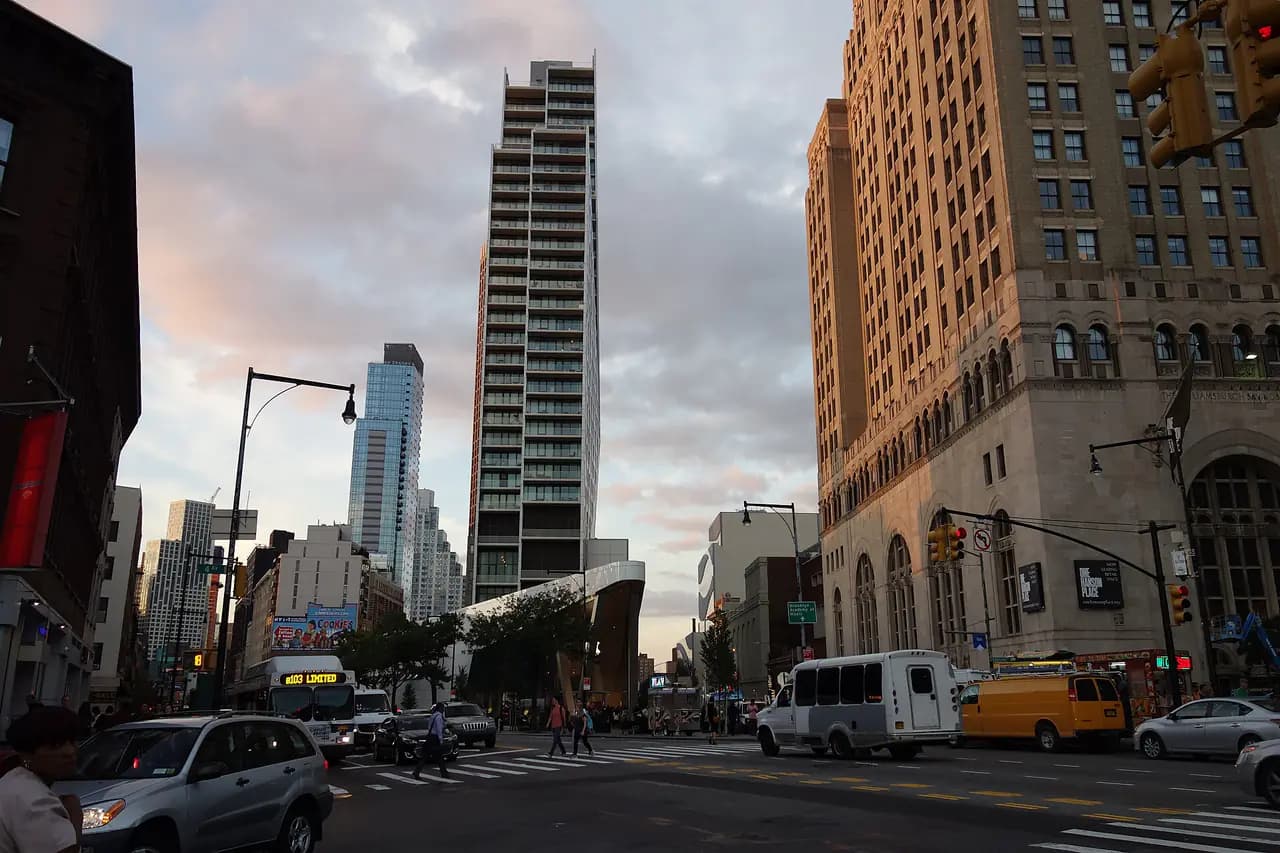
Photo: Tdorante10 / Wikimedia Commons · CC BY-SA 4.0
- DHCR updated Fact Sheet 40 this month to say it still distinguishes rent concessions, like free months, from preferential rents (The Real Deal).
- Tenants' lawyers had argued that under the 2019 rent law, increases must be calculated from the lower net effective rent; an April ruling in Grey v. LIC Development Owner boosted that view (Bisnow).
- At least 21 suits involve about 12,000 units and $1 billion in 421-a benefits; landlords named include Two Trees, Blackstone, Rockrose and AvalonBay.
- DHCR says concessions may be lawful in some circumstances but each case is fact-specific; landlord lawyers expect dismissals, others say litigation will continue.
New York's state housing agency has quietly rewritten a short piece of guidance that sits at the center of a fast-growing wave of rent-overcharge lawsuits against some of New York City's biggest apartment landlords, and lawyers on both sides say it could change how those cases end.
This month the state Division of Housing and Community Renewal (DHCR) updated Fact Sheet 40, its guidance on preferential rents, to say the agency "continues to recognize that there are distinctions between rent concessions and preferential rents," and that a 2019 revision "was not intended to indicate the contrary," The Real Deal reported.
Why a fact sheet matters
A preferential rent is a rent set below the legal maximum for a rent-stabilized apartment. Under the 2019 Housing Stability and Tenant Protection Act, a landlord can no longer jump a sitting tenant from a preferential rent to the legal maximum; yearly increases are capped at the Rent Guidelines Board percentage until the tenant moves out.
A rent concession, such as one or two free months, is different on paper. When DHCR dropped language distinguishing the two in 2019, tenants' lawyers began arguing that concessions are effectively preferential rents, so increases should be calculated from the lower, net effective rent rather than the full lease rent, Bisnow reported.
That argument gained force after an April ruling by Manhattan Supreme Court Justice Arlene Bluth in a case known as Grey v. LIC Development Owner, which set off a wave of suits, according to Bisnow.
Who is being sued
- At least 21 lawsuits have been filed involving more than 24 properties, about 12,000 units and $1 billion in 421-a tax benefits, The Real Deal reported, citing the law firm Adler & Stachenfeld. Nearly all were filed by one tenant attorney, Roger Sachar of Newman Ferrara.
- Landlords named include Two Trees, Black Spruce Management, Blackstone and Rockrose, the two outlets reported. One recent suit claims AvalonBay overcharged Downtown Brooklyn tenants by at least $40 million.
- The suits focus on buildings with the state's 421-a tax break, which put even some market-rate units under rent regulation during the benefit period. For those buildings, plaintiffs argue they can pursue the value of the tax benefit, not just the alleged overpayment, Bisnow reported.
What changes now
A DHCR spokesperson said the guidance clarifies that rent concessions "may be lawful under certain legal circumstances," but that each case is fact-specific and the agency will not prejudge any of them, The Real Deal reported.
Landlord attorneys called the update a major win. Jeffrey Goldman of Belkin Burden Goldman told Bisnow that many of the suits "will now get dismissed," because plaintiffs will have to show the reasons for a concession did not exist when it was offered. Others were more cautious: Zachary Nathanson of Adler & Stachenfeld said he "very highly" doubted open litigation would stop, though it may slow new filings.
The Real Deal noted the change does not decide any case; courts will still weigh the circumstances when each lease was signed, such as conditions at the building, occupancy and how long the concession lasted. Tenants in 421-a buildings who received free months are not shut out, but their cases now face a higher bar.


- The Real DealRule change could save NYC landlords hundreds of millions
- BisnowNew City Guidance Could Kill Rent Overcharge Lawsuits
Every story links to the reporting and records it’s based on. Our editors write each piece from public reporting and official data, and check it against those sources before it’s published.
Comments
0NSynced with CommunityIn CommunityYour comment is also posted to Community with this story attached, so neighbors can find it and reply there too.
No comments yet
Start the conversation — your comment shows up here and in Community for neighbors nearby.