City Council set to pass COPA, giving nonprofits a first shot at buying NYC's most distressed apartment buildings
The Community Opportunity to Purchase Act, vetoed by Eric Adams last December, is back for a committee vote and a full Council vote Thursday with 33 sponsors and Mayor Mamdani's support. It would cover about 2,100 buildings.
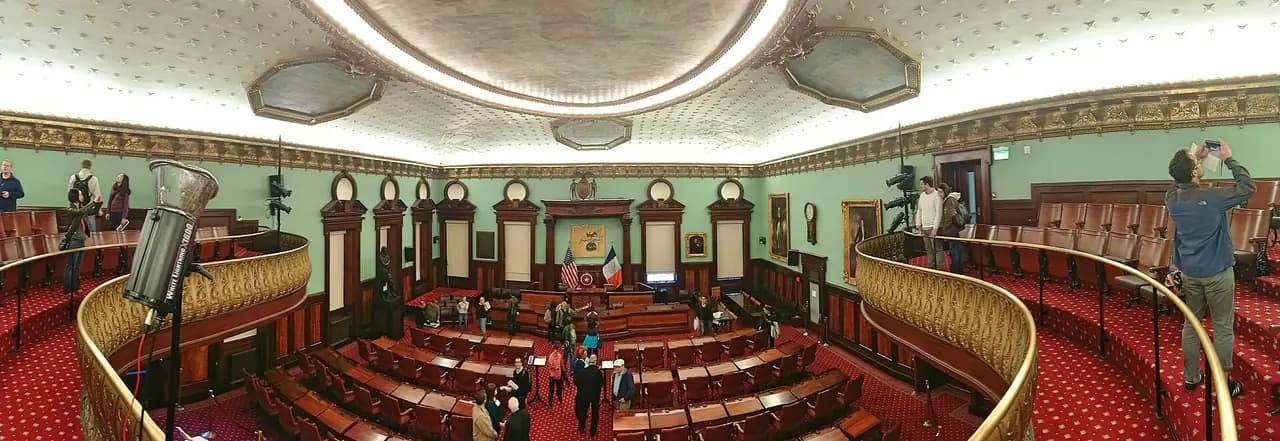
Photo: Lwsmith10128 / Wikimedia Commons · CC BY-SA 4.0
- The Housing and Buildings Committee votes on COPA at 11 a.m. Thursday and the full Council meets at 1:30 p.m.; the bill has 33 sponsors, above the 26 votes needed (Gothamist, Council calendar).
- It covers buildings with four or more apartments that the city deems distressed, such as those averaging three or more serious violations per unit, in the Alternative Enforcement Program or facing tax foreclosure; HPD estimates about 2,100 qualify.
- Owners would notify HPD before selling; qualified nonprofits and tenant groups get 20 days to express interest, 70 days to make an offer and a chance to match a later outside bid.
- Adams vetoed an earlier version in December; sponsor Sandy Nurse narrowed it in May and amended it again Thursday, and the Real Estate Board of New York now says it can accept the 'more targeted' bill.
- Small-landlord group SPONY still opposes any version, saying it will scare off buyers ready to fix failing buildings.
After a veto, a restart and months of negotiations, the City Council is expected on Thursday to pass the Community Opportunity to Purchase Act, or COPA, a bill that would give nonprofit groups a head start on buying some of the city's most troubled apartment buildings before they hit the open market.
The Committee on Housing and Buildings is scheduled to vote at 11 a.m., and the full Council holds its stated meeting at 1:30 p.m., according to the Council's calendar. The bill has 33 sponsors, more than the 26 votes needed, and the Council traditionally brings a bill to the floor only when it has the votes to pass, Gothamist reported. Mayor Zohran Mamdani supports it and, unlike his predecessor, does not plan to veto it, The Real Deal reported.
Which buildings it covers
COPA applies to buildings with at least four apartments that the city's housing agency, HPD, considers distressed. That includes buildings averaging three or more Class B or C violations per unit, buildings in the city's Alternative Enforcement Program for the worst-maintained properties, and properties facing municipal foreclosure over unpaid taxes and fees. Some buildings of 100 or fewer units with affordability agreements managed by HPD are also covered. Owner-occupied buildings with five or fewer units are exempt, Realtor.com reported.
HPD estimated in September that about 2,100 properties would qualify today and that roughly 300 buildings sold last year would have met the criteria.
How a sale would work
- Notice: an owner planning to sell a covered building must notify HPD and qualified buyers.
- 20 days: tenant groups, nonprofits and some joint ventures can say they are interested and request financial information.
- 70 days: they can make an offer, which the owner can reject.
- Right to match: if the owner later agrees to sell to someone else, a qualified buyer gets a chance to match that price and terms.
Supporters say community land trusts and nonprofits often learn a building is for sale only after a faster conventional buyer has moved in. Sponsor Council Member Sandy Nurse of Brooklyn says the bill gives neighbors "community control" of buildings plagued by hazards and financial trouble, and backers point to properties like those of jailed landlord Daniel Ohebshalom in Upper Manhattan as the kind of buildings that could qualify.
How it got here
The Council passed an earlier version last year, but then-Mayor Eric Adams vetoed it in December, days before leaving office. In January, Speaker Julie Menin chose not to hold an override vote after the city's Law Department raised legal concerns, and the Council restarted the process. Nurse reintroduced a narrower bill in May with a shorter timeline, and the Real Estate Board of New York now says it is OK with the "more targeted and practical bill," according to Gothamist.
Nurse amended the bill again Thursday, The Real Deal reported: HPD can no longer add new categories of buildings on its own, only recommend them; it can extend a nonprofit's offer deadline by no more than five days; and the bill adds a two-year statute of limitations for lawsuits under COPA while allowing plaintiffs to seek compensatory damages.
The opposition
Small Property Owners of New York still opposes any version. Its board president, Ann Korchak, says the waiting periods would discourage buyers who have the money to quickly buy and repair failing properties and would give nonprofits and the city an unfair advantage. In Washington, D.C., where tenants rather than nonprofits get purchase rights, a 2026 Urban Institute analysis found the law helped create or preserve about 16,000 affordable units from 2006 to 2020, but researchers stressed that it works only alongside financing, Realtor.com noted.
We will update this story with the result of Thursday's votes.
- GothamistMamdani-backed housing bill will give nonprofits head start on buying NYC apartments
- The Real DealCOPA on the Brink of Passing the New York City Council
- Realtor.comNYC Poised To Pass COPA, Giving Nonprofits an Edge in Apartment Sales
- New York City CouncilCouncil calendar, Oct. 22, 2026
Every story links to the reporting and records it’s based on. Our editors write each piece from public reporting and official data, and check it against those sources before it’s published.
Comments
0NSynced with CommunityIn CommunityYour comment is also posted to Community with this story attached, so neighbors can find it and reply there too.
No comments yet
Start the conversation — your comment shows up here and in Community for neighbors nearby.