Appeals court clears NYC's pied-à-terre tax rollout, tossing Staten Island ruling
A unanimous Appellate Division panel said the homeowners who sued couldn't show harm and dismissed the case. Challenges to the tax's legality remain, and bills are still due Jan. 1.
Updated Nov. 4 with the Appellate Division's ruling reversing the Staten Island decision on the tax's rollout and dismissing the homeowners' case.

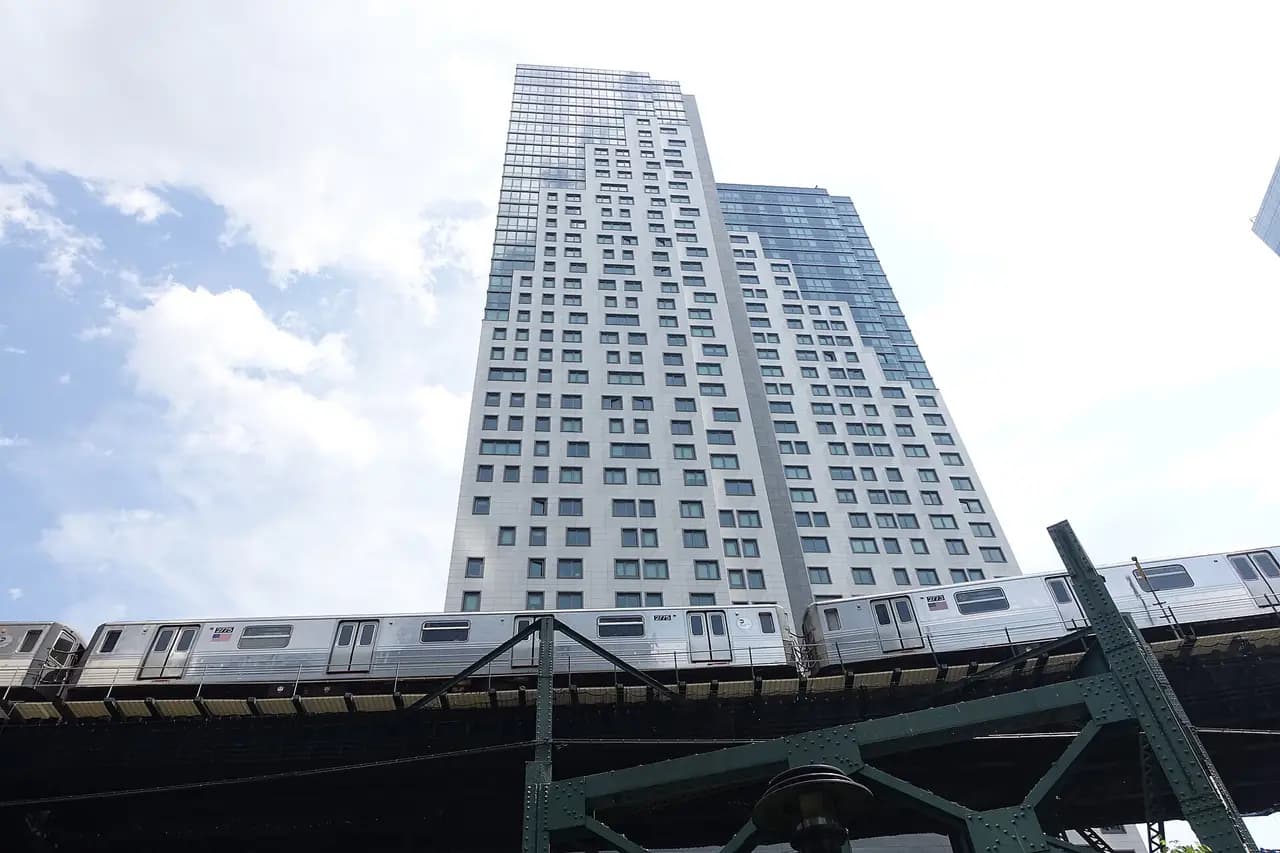
Photo: Itrytohelp32 / Wikimedia Commons · CC BY-SA 4.0
- Updated Nov. 4: the Appellate Division, Second Department, unanimously reversed a Staten Island judge's Sept. 29 ruling against the tax's rollout and dismissed the case, finding the homeowners lacked standing (Fortune, amNY).
- The ruling doesn't settle whether the tax is legal. Suits in Suffolk County argue it violates state limits on city real estate taxes and discriminates against out-of-state owners; the owners' lawyer says that will be decided next month (ABC7).
- As of Oct. 29, DOF has granted more than 8,800 of roughly 11,000 exemption applications, leaving fewer than 9,000 properties subject to the tax (Gothamist, City Hall figures).
- Mayor Mamdani told WNYC he is 'confident' the tax will raise $500 million a year; the comptroller's April analysis put likely revenue at about $340 million to $380 million after adjustments.
- It covers 1-3 family homes valued by DOF above $5 million and condo or co-op units valued at $1 million or more; charges appear on the bill due Jan. 1, 2027 (NYC Department of Finance).
Update, Nov. 4: appeals court tosses the Staten Island rollout ruling
A state appeals court on Wednesday reversed the Staten Island decision that had faulted the city's rollout of the pied-à-terre surcharge and dismissed the case, clearing the way for the Department of Finance to keep implementing the tax. A unanimous four-judge panel of the Appellate Division, Second Department, in Brooklyn overturned Justice Wayne Ozzi's Sept. 29 judgment a week after hearing arguments, Fortune reported. "The judgment is reversed, on the law, with costs, the amended petition is denied, and the proceeding/action is dismissed," the decision says, as quoted by amNY.
The court did not decide whether the city was wrong to make owners prove where they live. It ruled the seven homeowners who sued lacked standing because they showed no concrete injury: being listed on the supplemental roll of about 900,000 properties or receiving one of the roughly 17,000 notices was not enough, and the notice "serves an informational purpose," the judges wrote, according to Fortune. Two of the petitioners never said they got a notice, and the other five were exempted after the suit was filed. The panel did reject the city's arguments that the case was moot and that owners could only appeal to the Tax Commission.
Mayor Zohran Mamdani said the court "rejected an attempt by the ultrawealthy to avoid paying their fair share." Randy Mastro, the former first deputy mayor who represents the homeowners, told ABC7 the court took "the procedural offramp of standing" and said the surcharge's constitutionality will be decided next month. Two other suits, filed in Suffolk County, argue the tax breaks state limits on city real estate taxes and discriminates against out-of-state residents; if they succeed, they could invalidate the tax, ABC7 reported. Bills remain due Jan. 1, 2027.
Oct. 29: exemptions top 8,800 as Mamdani stands by $500 million
The Department of Finance has now granted more than 8,800 of the roughly 11,000 exemption applications, according to City Hall figures reported by Gothamist, up from about 6,800 two weeks ago. That still leaves fewer than 9,000 properties subject to the surcharge. Mayor Zohran Mamdani said Thursday on WNYC that he remains "confident" the tax will bring in $500 million a year.
Some experts doubt it. The city has not changed its projection even as exemptions climbed, property tax lawyer Ben Williams of Rosenberg & Estis told Gothamist, wondering aloud whether the city would raise rates later if collections fall short. In April, the city comptroller's office estimated that a version of the tax could raise almost exactly $500 million from a little over 11,200 properties before adjustments, but only about $340 million to $380 million once rentals and owners' behavior were factored in.
The tax faces three separate legal challenges, Gothamist reported. On Wednesday, city lawyers faced off in court with attorneys for owners who say the rollout caused "mass confusion" and should be restarted. In another suit, casino owner Steve Wynn and former U.S. Commerce Secretary Wilbur Ross argue the state law discriminates against wealthy nonresidents.
New York City's new tax on expensive second homes will start with far fewer payers than first projected. Fewer than 9,000 owners are expected to owe the so-called pied-à-terre surcharge after the city approved thousands of exemption requests, according to City Hall figures reported by the New York Daily News and La Voce di New York.
About 11,000 owners applied to the Department of Finance for an exemption. As of Oct. 14, roughly 6,800 of those requests, about 62%, had been granted and about 3,800 were still being processed, the Daily News reported. The state had initially estimated about 13,000 homes would be subject to the tax, and the final count could fall further as the remaining applications are reviewed.
Who pays, and how much
The surcharge took effect under a state law on May 28. For the 2026-27 and 2027-28 tax years, it can apply to one-, two- and three-family homes the city values at more than $5 million and to condo and co-op units valued at $1 million or more, according to the Department of Finance. The agency notes that under state law, condos and co-ops are valued differently, so a $1 million unit is generally comparable to a $5 million house.
Rates rise with value. For houses, DOF lists 0.8% of market value for homes valued from $5 million to under $15 million, 1.05% from $15 million to under $25 million, and 1.3% above that. For condos and co-ops, the rates are 4% from $1 million to under $3 million, 5.25% from $3 million to under $5 million, and 6.5% at $5 million or more. The Daily News reported that individual bills range from about $40,000 at the low end to hundreds of thousands of dollars, or more, for the priciest homes.
The tax generally does not apply when a home is the primary residence of the owner, a tenant, an immediate family member, the beneficiary of a trust, or a majority owner of the company that holds it, DOF says.
Bills, appeals and revenue
The deadline to apply for an exemption for the 2026-27 tax year was Oct. 13. Bills are expected in November, and any surcharge will appear on the property tax bill due Jan. 1, 2027, according to DOF. Owners whose exemption is denied can appeal to the NYC Tax Commission, which also hears challenges to the city's valuation.
City officials told the Daily News they remain confident the tax will raise the roughly $500 million a year the state projected, regardless of how many exemptions are granted. La Voce noted that a comptroller's analysis before the law took effect had put likely revenue lower, between $340 million and $380 million, once rentals and owner behavior were factored in, but that a later review found theoretical revenue before exemptions could approach $1 billion. The administration also acknowledged over the summer that about 1,200 owners had been contacted by mistake, La Voce reported.
The lawsuits
The rollout is also being fought in court. A group of homeowners, including two relatives of Staten Island Council Member Frank Morano, sued in August, arguing the city wrongly made owners prove they live in the five boroughs full time, the Daily News reported. A Staten Island judge ruled on Sept. 29 that the city's notices were unlawful; the city appealed, and on Nov. 4 the Appellate Division reversed that ruling and dismissed the case (see update above). Two other suits filed in Suffolk County last month challenge the legality of the tax itself.


- GothamistMamdani says he's 'confident' NYC will collect $500 million with pied-à-terre tax
- NYC ComptrollerFiscal Note 2-2026: The Pied-à-Terre Tax and Its Potential Revenues
- New York Daily News (via ArcaMax)Fewer than 9,000 homeowners to pay NYC pied-à-terre tax as City Hall reviews exemption requests
- La Voce di New YorkIn New York, Fewer Than 9,000 Owners Will Pay the Disputed Second-Home Tax
- NYC Department of FinanceNon-primary residence property surcharge
- FortuneAppeals court tosses lawsuit over Mamdani's pied-à-terre tax rollout, ruling homeowners can't sue over notices
- ABC7 New YorkNYC can move forward with Mamdani's pied-à-terre tax on 2nd homes, appeals court rules
- amNYAppeals Court allows Mamdani to implement second-home tax; reverses Staten Island ruling
Every story links to the reporting and records it’s based on. Our editors write each piece from public reporting and official data, and check it against those sources before it’s published.
Comments
0NSynced with CommunityIn CommunityYour comment is also posted to Community with this story attached, so neighbors can find it and reply there too.
No comments yet
Start the conversation — your comment shows up here and in Community for neighbors nearby.